MICROBES IN FOOD SPOILAGE

BY- ABHISHEKA G.(MSIWM013)


INTRODUCTION:

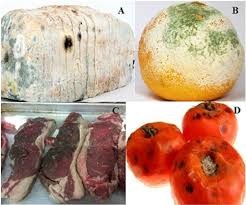
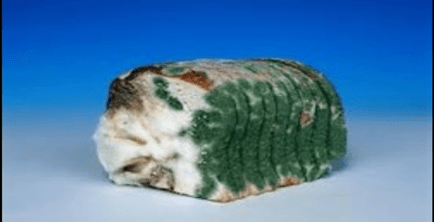
 Food spoilage is defined as the process in which the destruction of food occurs then it becomes non edible to humans and it’s quality of edibility is decreased. It is also referred to be the changes in the visual, smell, and texture of the food that makes it unacceptable for consumption. The growth of microbes in food results in food spoilage. Spoilage of food occurs due to the action of microbial enzymes in the absence of viable cells. The microbial spoilage of food results in changes such as color, odor, texture, the formation of slime, accumulation of gas, and release of liquids.

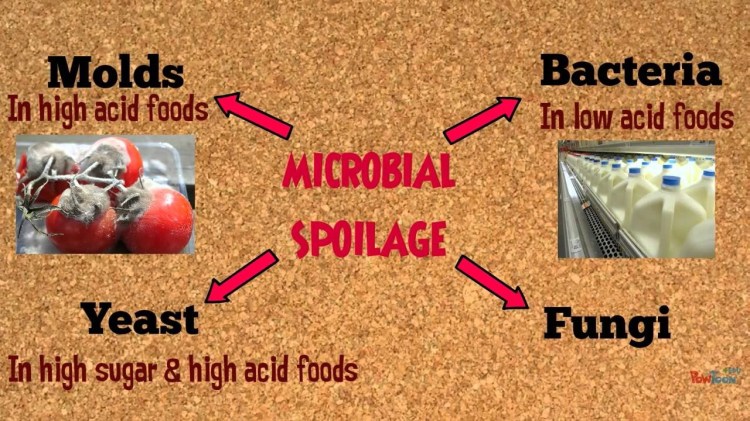
 The microbes like Bacteria, yeasts, and molds causes of food spoilage in high amount. These microbes synthesis different enzymes to decompose the various food items. Molds are the major causes of spoilage of foods with reduced water activity like dry cereals and cereal products. Bacteria spoil foods with relatively high water activity such as Milk and its products.
RELATION BETWEEN WATER ACTIVITY AND FOOD SPOILAGE MICROBES:

1.Water activity has an important role in food preservation. Each microbe has a critical water activity, below this critical water activity, the growth of the microbes do not occur.

2.For example, pathogenic microbes cannot grow at water activity below 0.86, Yeasts and molds are tolerant to water activity and they grow at or below water activity 0.62. Hence water activity is important in foods and it is a major factor in food spoilage and food safety.

3. Decrease in water activity retards the growth of microorganisms by slowing down enzyme-catalyzed reactions and retards nonenzymatic browning.

WATER ACTIVITY OF SOME OF THE FOODS:

Fruits and Vegetables – 0.97 to 1.

Meats- 0.95-1.

Cheese – 0.68 – 1.00

Jams and Jellies- 0.75 – 0.94

Honey – 0.54 – 0.75

Noodles – 0.50

Dried Milk – 0.20

MINIMUM WATER ACTIVITY REQUIRED FOR THE GROWTH OF MICROBES IN FOOD

Clostridium botulinum – 0.95

Bacillus cereus – 0.95

Pseudomonas aeruginosa- 0.95

Salmonella species – 0.95

Staphylococcus aureus- 0.90

Candida species- 0.90

Saccharomyces cerevisiae- 0.90

Staphylococcus aureus – 0.86

Penicillium species – 0.82

Most spoilage yeast – 0.88

Most spoilage molds – 0.80

SOURCES OF MICROBES IN FOOD:

  1. Soil and water
  2. Plant and plant products
  3. Food utensils
  4. The Intestinal tract of Humans and Animals
  5. Air and dust
  6. Food handlers.

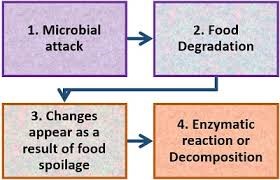
PROCESS OF FOOD SPOILAGE BY MICROBES: Microbes like bacteria, molds attack the food items. Then preserved food items undergo degradation. As a result of degradation, food items result in changes such as physical changes like the texture of food, visual, smell, and quality of the food and loss of taste, etc. Later the microbes which attacked the food items releases the necessary enzymes required for the degradation of spoiled food items. Then enzymatic action brings about the degradation process.
FOODS AFFECTED BY VARIOUS GROUPS OF MICROBES:

  1. Anaerobic or facultatively anaerobic: These groups of microbes are most likely to grow in canned foods.
  2. Microaerophilic bacteria: These are most likely to grow in vaccum packed foods since they have low oxygen tension.
  3. Aerobic bacteria: They grow on the surface of the raw meat.
  4. Aerobic molds: Grow on insufficiently dried or salted products.
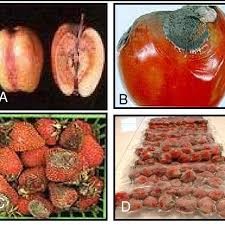
FACTORS AFFECTING THE GROWTH OF MICROBES IN FOOD:

  1. pH: Most of the bacteria grow best at neutral or slightly alkaline nature of foods, the pH ranging from 6.8 to 7.5. Bacteria like Salmonella grow at a pH range of 4.5 to 9.0. Molds grow between 1.5 to 11.0, whereas yeasts grow between 1.5 to 8.5.
  2. Moisture content: The effect of moisture is measured in terms of water activity. The water activity of a food is defined as the amount of free water present in the food medium. If there is a lack of water the microorganisms do not grow in the food medium.
  3. Nutrient contents in the food: Microbes require proteins, carbohydrates, lipids, water, energy, nitrogen, Sulphur, phosphorous, vitamins, and minerals for their growth. Various foods have specific nutrients which support the growth of microbes in the food. Foods like meat, milk, and eggs contain a large number of nutrients required for the growth of microbes. Hence these foods are more susceptible to microbial spoilage.
  4. Anti-microbial substances: The antimicrobial substances like lactenin, anti-coliform factors in milk, and lysozyme in eggs prevents the growth of microbes.
  5. Temperature: Microbes require optimum temperature for their growth. Psychrophilic bacteria causes spoilage of food at low temperature conditions. Mesophilic bacteria can grow between 5*c to 40*c. Thermophilic bacteria grow above 45*C temperaturze.

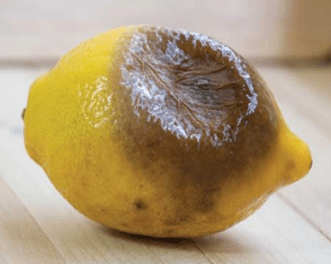
FOOD SPOILAGE

BY:- RAHUL ANDHARIA (MSIWM001)

Food Spoilage:

It refers to change in Physical and Chemical property of food, making food unfit for Consumption. Invasion of microorganisms like bacteria and fungi usually causes spoilage of food.

Principle:

Food spoilage generally occurs due to Physical, Chemical or Biological agents that changes colour, flavour, appearance, odour and other properties of food. Shelf life of most of the natural foods is very less and is perishable, for example, meat, fish and bread can spoil easily. Decomposition of food generally involves 3 processes: Putrefaction (chemical breakdown of food or decay of organic matter), Fermentation (chemical breakdown of substances by action of microorganisms, yeast), Rancidity ( refers to oxidation of fats).

Natural Contamination:

It refers to contamination of food when microorganisms themselves attaches to food in its growing stages and this kind of contact is essential for certain kinds of food. For example, Yeasts contaminates fruit for carbohydrates fermentation.

Artificial Contamination:

This type of contamination occurs during handling of food when food is under various stages of production like, packaging, storage, etc. Improper handling of food during this stages results in contamination of food by microorganisms.

Intrinsic factors of food like pH, redox potential, H2o activity determines the type of microflora growing on the food. This final composition of microflora is responsible for food spoilage.

Types of Food Spoilage:

1.Microbial Spoilage:

Microorganisms associated with food are:

Bacteria, Filamentous Fungi, Viruses, Yeasts, and animal parasites.

Bacteria:

They are associated with both plant and animal foods. Bacteria are associated with food intoxication and spreading of food borne diseases.

Examples:

Acenatobacter:  Gram negative- present in raw and prepared foods like beef and poultry carcasses.

Aero monas: gram negative, responsible for spoilage of fish.

Alkaligans: gram negative, responsible for spoilage of egg and dairy products.

Citrobacter: gram negative, it is responsible for spoilage of vegetables and fresh meat.

Corynebacterium: gram positive, involved in spoilage of vegetables and  meat.

Filamentous Fungi:

When food is left for one or more day covered, tangled mass of furry growth appears on food which is called fungi or mould. Fungi are responsible for spoilage of Grains, nuts, and fruits as they have low pH and H20 activity.

Examples:

Mucor: Zygomycotena-common contaminant of fruits, berries and nuts.

Rhizopus: Zygomycotena- known commonly as bread mould. It is more prevalent in fermented and stored foods.

Claviceps: Ascomycotena-  produces toxic alkaloids in cereals, when consumed can cause Hallucinations.

Yeasts:

Contamination by yeasts results in Souring of milk.

Examples:

Candida: most common contaminant of dairy products, fresh fruits, and alcoholic beverages.

Saccharomyces: spoilage of fruits and fruit products.

Torulopsis: responsible for spoilage of beef, creamed butter, condensed milk, etc.

Viruses:

viruses found in food are termed as enteric or intrinsic viruses.

Examples:

Enterovirus, Adenovirus, Reovirus, Hepatitis A virus.

Animal Parasites:

They belong to 3 distinct groups:

Protozoa: Giardia, Entamoeba Hystolytica

Flatworms: Taenia, Fasciola

Roundworms: Ascaris

2. Physical Spoilage:

Physical Spoilage refers to damaging of food during Harvesting, Processing or distribution of food. During such processes there are high chances of food spoilage if proper measures are not followed. The damage increases the chance of spoilage as the outer layer is completely broken or bruised. For example- Canned foods gets spoiler easily if the cans are not properly packed with lid or are contaminated during processing.

3. Chemical Spoilage:

Chemical reactions in food are responsible for change of colour, texture and taste of the food products. Generally foods are fresh especially vegetables and animal food, but after harvesting and slaughtering, chemical changes begin automatically in the food and the quality of food becomes deteriorated.

4. Enzymic Spoilage:

Enzymes acts as biological catalyst to carry out biological reactions in cell and play an important role in biochemical reactions. After death of cells or tissues, enzymes play a role in its decomposition by a process called Autolysis( self destruction )

Example: In tomatoes, some enzymes helps it for ripening, but at the same time there are certain enzymes which are responsible for its decay. Once enzymic Spoilage is underway, it damages the outer skin of tomato and exposes it to mould growth and decay.

Factors Affecting Food Spoilage:

  1. Water Content: Amount of water holding capacity in foods is referred to as it’s water activity.(WA). Water activity of most of the fresh fruits is approximately 0.99, which makes them more susceptible to microbial growth.
  2. Environmental Conditions: Environmental influence on food is the major concern. When food is exposed to intrinsic conditions like temperature, air, or even small amount of moisture, can result in growth of Micro-organisms. Changing environmental conditions can help to prevent spoilage. For example- storing food at lower temperature can prevent it from spoiling.
  • Packaging and storage: Packaging of foods is after processing is very vital as it protects food from harmful contaminants and also from various other factors like environment, temperature, etc. The type of packaging plays a key factor in ensuring the safety and preventing spoilage. Food packed in jars, cans ensures safety and prevents food from dust, moisture, air and harmful microbes.

Sources of Micro-organisms for Food Spoilage:

Micro-organisms are present everywhere. General source of Micro-organisms include air, water, sewage, soil and animal wastes. Foods grown in ground have higher risk of spoilage due to micro-organisms.  Foods like fish, meat are contaminated by presence of bacteria in their  internal organs like skin and feet. Meat has higher tendency of contamination as raw meat attracts lot of microbes, so it is advisable to store raw meet immediately after chopping.

Ways to Prevent Food Spoilage:

  • Ensure proper packaging is available to the food cans and jars after processing.
  •  Don’t leave the food in open air for more than 15min, to avoid contact with microbes.
  •  Ensure that your refrigerators are operating at correct temperatures.
  •  Food must be protected from light and must be stored in amber colour or transparent containers.
  • Low temperature is a key as it retards microbial growth.
  • Avoid placing food where there is more humidity, as high humidity attracts more growths of microbes and moulds. Placing food in dry places is most appropriate.