BIOREMIDIATION

BY: RAHUL ANDHARIA (MSIWM001)

Introduction:

  • Bioremediation refers to use of naturally occurring microorganisms or introducing live microorganisms to break down environmental pollutants. This method is useful in reducing environmental pollution.
  • Enzymes, plants and microorganisms are used to prevent soil contaminants and to detoxify it from the environment.
  • The rate of natural microbial degradation of contaminants by supplementing indigenous microorganisms is enhanced by the process of bioremediation.

History:

  • Older versions of bioremediation dates back to 600Bc when bioremediation was first used by the Romans. They used bioremediation for the purpose of cleaning waste water.
  • Bioremediation was officially invented by George Robinson in the year 1960. First, large clean up of oil spill was initiated by him in the year 1968.

Principle involved in Bioremediation:

  • Microbes using contaminants like oil, solvents and pesticides as a source of food and energy relies on bioremediation for stimulation of their growth.
  • Contaminants consumed by microbes get converted to small amounts of water and carbon dioxide.
  • Combination of right temperature, nutrients and food is essential for effective bioremediation otherwise much longer time will be taken to cleanup contaminants.
  • Amendments can be added such as Molasses, vegetable oil, or simply air to make favorable conditions for bioremediation to take place.
  • Optimum conditions (most favorable conditions for growth) are created by these amendments for microbes to flourish and complete the bioremediation process.
  • Bioremediation is a slow process and can take anywhere from few months to several years. The amount of time required depends on factors like; size of the contaminated area, conditions like temperature and soil density, concentration of contaminants and whether the bioremediation process is in-situ or ex-situ.

Key Features of Bioremediation:

  • Contaminants in the soil matrix are destroyed in most of the bioremediation treatment technologies.
  • Generally, technologies are designed to reduce toxicity either by destruction or by transforming toxic organic compounds into lesser toxic forms.
  • Bacteria and fungi are most commonly used. In some cases, specific bacteria or fungi are used that can degrade the contaminant. (Biodegradable). Ozone or h202 (hydrogen peroxide) are added as electron acceptors to enhance growth and reproduction of indigenous organisms.

Categories of bioremediation:

  1. Microbial Remediation:
  2. Use of microorganisms to clean up contaminants is called as microbial bioremediation.
  3. Actinomycetes, fungi, bacteria, yeasts can be used in this process.
  4. Many elements present in microorganisms can be used as nutrients and microbes are easily available, omnipresent and highly diverse which makes them ideal candidates for bioremediation.
  5. Specific Microorganisms can be used for extreme environmental conditions and can be applied in both in-situ and ex-situ conditions.
  6. Mix culture approach is more suitable than pure culture approach in bioremediation as in pure culture synergistic interactions are seen while degrading crude oil present in soil.
  7. Examples: Cyanobaacteria, Pseudomonas, Nocardia, Acenetobacter and so forth. (These are the bacteria which are capable of degrading major pollutants).
  • Phytoremediation:
  • It refers to using different types of plants to transfer, remove, and stabilize/destroy contaminants present in soil and groundwater. Different phytoremediation methods are available which are as follows:
  • Rhizosphere biodegradation: Roots releases natural plant substances and supplies nutrients to microorganisms in soil. Biological degradation is enhanced by microorganisms.
  • Phyto-stabilization: chemical substances produced by plants immobilize contaminants rather than degrading them.
  • Phyto-accumulation: roots of plants accumulates contaminants along with nutrients. This process can also be called as phytoextraction. This method is best suited for wastes containing metals.
  • Hydroponic system for treating water streams: this method can also be called as Rhizofiltration. In this technique, plants used in cleaning process are raised in green houses with their roots dipped inside the water.
  • Phyto-Volatilization: organic contaminants are taken up by plants and are released into the air through leaves.
  • Phyto-degradation: plants destroys contaminants present in tissues through this technique.
  • Hydraulic control: in this method, groundwater movement is indirectly remediated by trees. Example: Poplar tree (30 gallons of water per day).

Types of Bioremediation methods:

  1. Natural bioremediation: occurs naturally. This is also called as intrinsic bioremediation.
  2. Biostimulation: fertilizers are added in the bioremediation process to increase bioavailability within the medium.
  3. In-situ technology: on site, treating of contaminated material is called in-situ technology. Large volume of soil can be treated at once. Example: Phyto-remediation.
  4. Ex-situ technology: contaminated material is treated at a place other than the site at which the process takes place, is called ex-situ technology. Treatment has more certainty in terms of uniformity. Example: slurry, solid phase bioremediation.
  5. Common examples of bioremediation technologies:

Phyto-remediation (using plants), bioventing (biodegrading contaminants by providing air or oxygen to microorganisms), bioleaching (extracting metals using microbes), bio-augmentation (Achaea cultures are added to speed up contaminant degradation and so forth.

Advantages of bioremediation:

  • Environmental friendly it uses green methods.
  • Cheaper than most of the cleanup methods.
  • It can be created for cleaning a specific site with the help of specific microbe.
  • Bioremediation is an underground process and hence microbes can be pumped underground to clean water and soil.

Limitations/Concerns of bioremediation:

  • Bioavailability of degradation products and toxicity of products cannot be known always.
  • If harvested plants contains heavy metals, it can pose a problem for disposal.
  • Plants may die, if concentration levels are too high.
  • Larger surface area is required for Phyto-remediation.  

Bioremediation is an emerging technology and has lots of prospects for specific type of cleaning but at the same time lacks few applications.

THE COMPLEMENT SYSTEM

BY: RAHUL ANDHARIA (MSIWM001)

Introduction:

  • It is a part of immune system which consists of series of proteins that interacts with one another in an organized manner to eliminate pathogens.
  • Complement pathway has a role to play in removal of damaged cells and pathogens by helping antibodies and phagocytic cells in this process.
  • Proteins taking part in complement system are known as complement proteins and works together as biological cascade (sequence of reactions, in which each being the catalyst for the other).
  • Mostly, complements are soluble proteins and glyco-proteins produced by special cells called hepatocytes.
  • These complements circulate in the body in form of Zymogens (inactive forms) and more than 20 such types have been recognized in the serum.
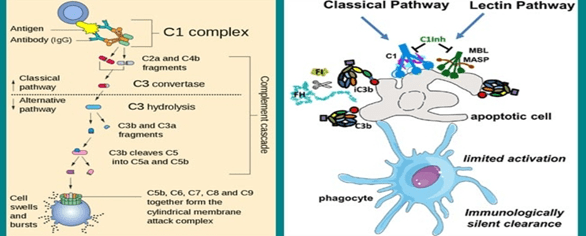
  • When an antibody binds to an antigen, it triggers complement pathway. It can also be triggered by few components of innate immunity. This system can also work in acquired immunity.
  • During inflammation, these complements gets activated and reaches infected area of the intestinal tissue through dilated blood vessels, which are activated by proteolytic cleavage and exposes active site of the complements.

History:

  • Complements were identified as heat-sensitive components in the blood in the year 1895 by Jules Bordet.
  • Complement levels will be low during recurrent microbial infections, auto-immune diseases. (Lupus disease).

Overview and components of Compliment pathways:

  • C letter is used to denote complement proteins along with numbers like C1, C2, C3 and so forth. Some can also be denoted by B and D and some are represented by names like homologous restriction factor.
  • Initial step varies in different complement pathways, however, all pathways forms enzyme complexes.
  • C3 is converted into C3a and C3b by C3 convertase. C5 gets cleaved by C5 convertase into C5a and C5b. C3 convertase is bound by C3b to form C5 convertase.
  • Initiation of late components of complement system to form Membrane attack complex (MAC) and to kill pathogen is done by C5 convertase generated by various complement pathways.
  • These are some of the common steps in different complement system pathways.

Types of Complement Pathways:

  1. Classical Pathway:
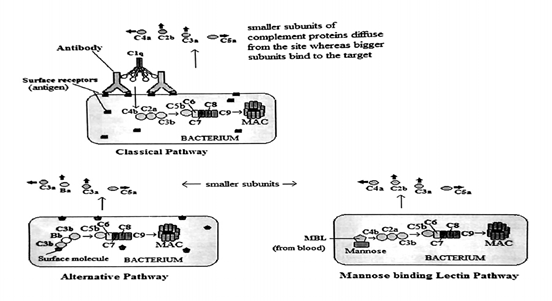
  2. Initial step in the classical pathway is the formation of Antigen-Antibody complex. When antibody binds to antigen, a conformational change is induced in the FC (fragment crystallization) portion of the antibody. This FC region exposes binding site for C1 protein.
  3. C1 is composed of c1q and two molecules of c1r and c1s each. C1q remains bounded to the FC portion. C4 and C2 are cleaved with the help of proteases, c1s and c1r.
  4. C1 bounded to the immune complex, calls for another protein C4 which gets cleaved into two; C4a and C4b. C4b is activated and attaches to target surface near to C1q whereas C4a goes away(eliminated).
  5. C4b than cleaves C2 into C2a and C2b. C4b2a complex is formed upon C2a binding to C4b, whereas C2b goes away (eliminated).
  6. C3 complex is then activated by C4b2a. This complex is also called as C3 convertase complex, as C3 is converted to an active form by separating C3a and C3b.
  7. To cleave large number of C3 molecules, one molecule of C4b2a is enough. C3b can bind to both, to the microbial surface or to the convertase itself.
  8. C4bC2aC3b complex is formed upon C3b binding to C3 convertase. C5 gets activated by C5 convertase into C5a and C5b. C5b gets stabilized by binding to C6 while C5a is eliminated. C5bc6 complex is formed, which than binds to C7.
  9. Complex called C5BC6C7 formed, binds to phospho-lipid bilayer of the cell membrane and further binds to C8.
  10. At the end all this C5b678, results in activation of C9 which forms a macromolecular structure called Membrane attack complex. (MAC).   
  11. Due to the formation of membrane attack complex, hole is produced in the bacterium resulting in leaking of cellular contents and unwanted substances can get in. As a result of this cell looses its osmotic stability resulting in lysis by influx of water and loss of electrolytes.
  12. The system (MAC complex formation) is found to be more effective in gram negative than in gram positive bacteria as MAC complex can be easily formed in thin peptidoglycan layers of gram negative bacterial cell walls rather than thick layered gram positive cell walls.
  13. There are few exceptions where, some of the c3b molecules do not associate with C4b2a. Instead these molecules are known to coat microbial cell surfaces and immune complexes and works their as Opsonins (an antibody or cell that binds to foreign antigen and exposes them to phagocytosis process). This process of opsonin formation is called as Opsonisation.

2. Alternate Pathway:

  • In this pathway there is no formation of antigen-antibody complex.
  • In this pathway, the complement system is initiated by Cell surface Constituents, which are foreign to the host. Example- Lipopolysaccharide.
  • During inflammation, bacteria enter host body and reaches to the site where C3 is directly bounded to antigens surface, and becomes active.
  • C3 contains thioester bonds which undergo hydrolysis to give C3a and C3b.C3b now binds to surface of the foreign particle and then binds to Factor B.
  • This factor B exposes site which serves as enzymatic substrate for serum protein D. As a result of this, factor D cleaves B into Ba and Bb. This results in formation of C3 convertase (C3bBb).
  • C5 convertase gets formed by C3 convertase and C5 then forms MAC complex, similar to the Classic pathway.

3. Mannose Binding Lectin Pathway (MBL):

  • Without Antibody and Endotoxin, complement pathway can be activated with the help of MBL pathway. When circulating lectin binds to Mannose residues on carbohydrates surface of Micro-organisms, this MBL pathway gets activated.
  • Salmonella, Listeria and Neisseria strains can induce MBL pathway.
  • Concentration of MBL increases during inflammation as it is an acute phase protein.
  • Lectin recognizes and binds carbohydrates of target cell to activate this MBL pathway. This pathway has similarities with that of classical pathway in terms of C4 and C2 to produce complement proteins.
  • MBL resembles C1q in structure and works in similar fashion to that of C1q.
  • Masp1 (mbl-associated serene proteases) and Masp 2 are the two components that binds to MBL after lectin binds to carbohydrates and activates MBL pathway.
  • A tetrameric complex is formed by Masp1 and 2 similar to complex formed by c1s and c1r and than cleaves C2 and C4 to form C3 convertase.
  • Than in the next steps, C5 convertase is formed, which results in MAC complex and the rest process is same as that of classical pathway.

Functions of Complements:

  • Opsonisation and Phagocytosis: proteins involved in this process are C3b. It is bounded to the surface of pathogen and activates phagocytic cells by binding to specific receptors present on the surface of phagocytic cells.
  • Cell lysis: C5b6789 forms a membrane complex which ruptures microbial cell surface and kills them.
  • Chemo taxis: Neutrophils and macrophages are attracted to an area where antigens are present by complement fragments. These cell surfaces have specific receptors for C5a, C3a and thus, run towards site of inflammation, called Chemo taxis.
  • Antibody Production: C3b receptors are present in b cells. When C3b binds to b cells more antibodies are produced. Thus, C3b is an antibody amplifier and can convert this into defense mechanism against invading Micro-organisms.
  • Immune Clearance: immune complexes are removed from circulation and are deposited in liver and spleen. Thus, complement protein acts as anti-inflammatory function. Solubilisation of these complexes is facilitated by Complement proteins and also helps in their phagocytosis.

FOOD PRESERVATION

BY: RAHUL ANDHARIA (MSIWM001)

Introduction:

  • The process of handling and treating food to prevent it from getting spoiled is termed as food preservation.
  • Food has to be generally protected from bacteria, fungi and other microorganisms as well as retarding fat oxidation which can lead to rancidity.
  • The term preservation simply means use of chemical compound or process to stop the growth of microorganisms and to prevent food spoilage.

History:

  • Preservation of food in hermetically sealed containers was the very first method implied in food preservation. This method was introduced by Nicholas Appert in 1700s.
  • Oldest method used for food preservation known to be used was Food Drying (originated in middle-east as per ancient records).

Principles of food Preservation:

  • Prevention of microbial decomposition: Asepsis (keeping out microorganisms), removing microorganisms, hindering microbe’s growth by low temperatures, drying, chemicals and by using anaerobic conditions.
  • Prevention of self-decomposition of food: by inactivating or destructing food (blanching), preventing delay of chemical reactions (using anti-oxidants).

Methods of food preservation:

  1. Asepsis:
  2. It simply means keeping out microorganisms from food.
  3. Microbial decomposition is delayed or protected if there is protective covering above the food like shells of nuts, skin of fruits and vegetables, membranes or fat on meat and fish.
  4. When the protective covering is damaged, it can lead to decomposition of inner tissues by microorganisms.
  5. Packaging of food is the widely used application of asepsis. The packaging may range from a loose wrapping to hermetically sealed container of canned foods.
  6. In the dairy industry, contamination with microorganisms is avoided as much as in practicable in the production and handling of market milk.
  7. In the meat packaging industry, sanitary methods of slaughter, handling and processing of meat reduces the load of microorganisms.
  8. In canning industries, load of microorganisms determines the heat process necessary for preservation of food.
  • Removal of microorganisms: Removal of microbe’s can be accomplished by methods like filtration, centrifugation, washing and trimming.

Filtration:

  • The liquid is filtered through previously sterilized bacteria-proof filter made up of sintered glass, diatomaceous earth, unglazed porcelain, and membrane pads.
  • The liquid is than forced through by applying positive and negative pressure.
  • Used for fruit juices, beer, soft drinks and water.
  • This is the only successful method for complete removal of microorganisms.

     Centrifugation:

  • This method is used in treatment of drinking water.
  • When it is applied to milk, the main purpose is to take out suspended particles other than bacteria.
  • Centrifugation at high speeds removes most of the space.

     Washing:

  • Washing raw foods can be helpful in their preservation but may be harmful under certain conditions.
  • Washing fruits and vegetables removes soil microorganisms that may be resistant to heat process during canning process of these foods.

     Trimming:

  • Trimming of spoiled portions of food or discarding spoiled samples is important to avoid eating spoiled food which may lead to food poisoning.
  • Maintenance of anaerobic conditions:
  • A preservative factor is sealed. Packaged foods may be in the anaerobic conditions in the container.
  • A complete fill, evacuation of unfilled space or replacement of the air by co2 or by inert gas such as N2 will bring about anaerobic conditions.
  • Spores of some aerobic organisms are especially resistant to heat and may survive in canned foods, but will not be able to germinate under anaerobic conditions.
  • Production of C02 and during fermentation and its accumulation at the surface will serve to make conditions anaerobic there and prevent the growth of aerobes.
  • Use of high temperatures:

Pasteurization:

  • Process of slow heating is known as Pasteurization. It can kill some microorganisms but not all.
  • Usually involves the application of temperature below 100 degree Celsius.
  • The heating can be done by means of steam, hot water, dry heat and electric currents.
  • Time and temperature used in this process depends upon the method employed and the product treated.
  • The high temperature-short time method employs comparatively higher temperatures for a short period of time.
  • The low temperature-long time method uses a lower temperature for a longer time.
  • Example: Grape wine pasteurization for 1min at 82-85 degree Celsius in bulk.

       Canning:

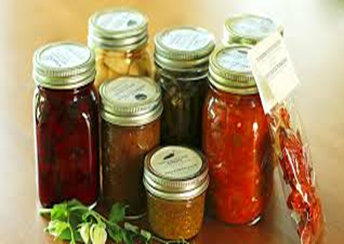
  • Canning can be defined as preservation of food in sealed containers and usually implies heat treatment as the principle factor.
  • Canning is done using Tin cans or in glass containers.
  • Raw food for canning is freshly harvested, properly prepared, graded and washed thoroughly before used for canning.
  • Many vegetable foods are blanched briefly by hot water or steam before packaging.
  • Blanching washes the food further, sets color, and kills microorganisms.
  • Use of low temperature:
  • At lower temperatures, chemical reactions, enzyme action and microbial growth will be much slower.

Chilling/Cold storage:

  • In this temperature is not far above freezing.(-1 degree Celsius)
  • Generally refrigerators are used at 0-8 degree Celsius for preserving food products.
  • Most perishable foods like eggs, dairy products, meat, and seafood can be held in chilling storage refrigerators for a limited time with a very little change from their original condition.
  • Process of Enzymatic and microbial changes in food cannot be prevented by this method, but the process is slowed down to great extent.

 Freezing or Frozen storage:

  • The rate of freezing of foods depends on the method employed, temperature used, circulation of air and the type of food to be freeze.
  • The temperature is usually -23.3 degree Celsius or (lower to -15 to -29 degree Celsius) and takes 3-72 hours for the process.
  • Drying:

 Solar Drying:

  • It is limited to climates with high temperatures and dry atmosphere and to certain types of fruits like apricots, peaches and pears.
  • This process takes longer time than other processes.

  Mechanical Drying:

  • Involves passage of hot air with controlled relative humidity over the food to be dried.
  • The simplest dryer is the evaporator or Kiln, where the natural draft from the rising of hot air brings about drying of food.

 Freeze drying: freeze drying or sublimation of water from a frozen food by means of vacuum and applied heat at drying shelf can be used in number foods like meat, poultry, seafood, vegetables and fruits.

  • Preservation by food additives:
  • Food additives are specifically added to prevent decomposition or deterioration of food. The food additives used for this purpose are called as chemical preservatives.
  • They inhibit microorganisms by inhibiting their cell membrane, enzyme activity or their genetic mechanism.
  • Factors that influence effectiveness of chemical preservatives in inhibiting microorganisms are: concentration of chemical, temperature, time, chemical and physical characteristics of substrates in which organism is found.
  • Food additives added include organic acids, salts, sugars and spices.
  • Salting helps in preserving fruits for a longer duration.
  • Sodium benzoate, vinegar, and sodium metabisulphite which are known as synthetic preservatives can also be added.
  • Preservation by Radiation:
  • This method can also be called as cold sterilization.
  • Surface contamination of several foods can be prevented or reduced by this method. Radiations like UV rays, X-rays and gamma rays are used to kill microorganisms.
  • Example: low level of radiations can be used on fruits and vegetables to kill insects and prevent food from spoilage.

Food preservation is essential in terms of protecting food from microbes and environmental conditions and to store food for longer duration of time.

BIOPESTICIDES

BY: RAHUL ANDHARIA (MSIWM001)

Introduction:

  • Biocontrol agents or Compounds used for managing agricultural pests by means of specific biological effects are termed as Biopesticide.
  • Natural bio-control agents such as plants, certain minerals, microorganisms can be used as biopesticides by modifying them.
  • Majority of crop loss is due to pests or insects. As biopesticides has less adverse effects on environment compared to traditional insecticides, hence can be used to control pests.

History:

  • Some of the earliest agricultural biopesticides used were plant extracts such as Nicotine during 17th century as reported in records.
  • In the year 1835, demonstration experiments involving biological control agents against Lepidopteron pests were carried by Agostine Bassi in White muscardine disease caused by a fungus Beauveria bassiana.
  • In the 20th century, studies involving use of biopesticides emerged rapidly and more number of biopesticides was developed. Bacterium Bacillus thuringenesis was considered to be the initial biopesticide.

Key features of bio-control agents used as biopesticides:

  • It should be specific to the target host.
  • It should have high multiplication rate.
  • It should be environment friendly with very less adverse effects.

Types of Biopesticides:

Three main types of biopesticides are used commonly:

Bioinsecticides:

Microorganisms used for insect control are called as bioinsecticides. Viruses, bacteria, fungi, protozoa and mites can be used as bioinsceticides.

  1. Bacterial biopesticides:
  2. Several different bacterial pathogens specific to type of insect they control are being used as insecticides. Examples: Bacillus, Clostridium, Pseudomonas, Enterobacter, Proteus, etc can be used.

Bacillus Thuringenesis: spore forming, rod shaped, gram positive bacterium. They produce parasporal crystals during sporulation. These crystals can be called as Cry proteins or delta endotoxins. These cry proteins prove to be toxic to insects, specifically to lepidopteron and coleopterans.

Mode of action of Bt:

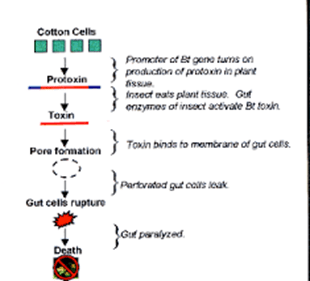
  • Parasporal crystals containing cry proteins are ingested by the insects.
  • Once ingested, these crystals get dissolved in the alkaline environment of the gut of the insect.
  • Delta toxin which is inactive gets cleaved and thus is activated.
  • Specific receptors in the midgut respond to the toxins and binds with it.
  • Pores develop in the epithelium layer of the insect as soon as toxin is inserted.
  • Thus, epithelium is disrupted leading to cell lysis and death of insect.

Symptoms: Common symptoms include; larvae become static and sluggish, stops feeding, water oozes out from larval bodies, and finally larvae dies and falls off the leaf. Bt cotton works particularly against cotton Bollworms, gypsy moths and cabbage worms.

  • Fungal biopesticides:
  • Generally, Entomopathogenic fungi are used as biopesticides. Common examples are Beauveria bassiana (causes White muscardine disease) and Metarhizium anisopliae(causes green muscardine disease).

Mode of action of Beauveria bassiana:

  • It is a filamentous fungus. It is also called as imperfect fungi and belongs to class Deuteromycetes. Generally, used against American boll worm, Codling moth and Potato beetle.
  • By using spores, fungus invades haemocoel of Insects.
  • Spores germinate once they attach to the cuticle. Hyphae penetrates insect cuticle.
  • Penetration appresorium and penetration Peg is formed which helps in the penetration process.
  • Fungal enzymes like chitinases, proteases, and lipases helps to dissolve the cuticle. Once the cuticle is dissolved, hyphae enter the haemolymph and proliferate and colonise the entire insect and release blastospores.
  • Due to depletion of nutrition in haemolymph, insect dies.
  • Viral biopesticides:
  • They attack arthropods and other insects. Commonly used viral biopesticide is Baculoviruses.  Viral biopesticides are generally used to control lepidopteron larvae. Baculoviruses are composed of double stranded DNA and are very small viruses. Three subgroups are present in these viruses; Nuclear Polyhedrosis virus (NPV), Granulosis virus (GV), and Non Occluded viruses. 

Mode of action of NPV:

  • When insect ingests the virus, it enters the mid-gut of insects and infects the gut cells by membrane fusion.
  • In the nucleus, NPV un-coats itself and passes through the intestinal epithelium.
  • Infects the haemocoel.

Symptoms: includes; discoloration of larvae (turns yellow or brown), larval decomposition, infected larvae hangs itself upside down on twigs and larvae becomes swollen because of accumulation of viral fluid inside them.

Bio-Nematicides:

  • Many fungi are known from genera like Dactylella, Arthrobotrys which can act as nematicide.

Fungus damage nematode in different ways:

  • Haustoria: fungi use these haustoria to penetrate into the body of the nematode and then it digests cell contents and uptakes nutrients of the nematode.
  • Catching by loop: loops are formed by fungal mycelium. When nematode passes through the loop, it constricts and gets trapped.
  • Production of adhesive hyphae: adhesive branches are produced by fungal mycelium which may stick with the nematodes body.
  • Hyphal mesh formation: mesh like cobweb is formed to tap the nematode.
  • The other groups which can acts as nematicide are soil fungi like Verticillium Chlamydosporium, Dactylella oviparisitica.

Bio-Herbicides:

  • They are primarily used to control the weeds and include use of phytotoxins, pathogens and microbes.
  • Living microorganism is the active ingredient in bio-herbicide.
  • Most commonly fungi are used, though bacteria can also be used as bio-herbicides.
  • High degree of target specifity against weed can be obtained using bio-herbicides.
  • Bio-herbicides have no effect on non-target and beneficial plants and hence are used frequently.

Examples: fungi like Phragmidium violacerum, Phytopthora palmivora (targets milk-weeds) are used commonly.

Advantages of Biopesticides:

  • Less toxic compared to conventional pesticides.
  • The main advantage of using biopesticide is that they only affect target pest.
  • It provides correct identification of pest as biopesticides are highly specific.
  • Relatively cheaper.
  • The risk of pests developing resistance to biopesticides is low as mostly the agents used have multiple mode of action.

Few limitations of biopesticides:

  • When compared to conventional pesticides, they have a slower rate of control and lower efficacy and shorter persistence.
  • Biopesticides have much greater susceptibility to environmental conditions. This can be avoided by modifying the organism used but the process will be time consuming and costly.
  • Grower must require greater knowledge to use biopesticides effectively as they are not as robust as conventional pesticides.

PRODUCTION OF INDUSTRIAL BEVERAGES

BY: RAHUL ANDHARIA (MSIWM001)

Introduction:

  • Any fluid consumed for drinking purpose can be called as a beverage.
  • Beverages consist of diverse range of food products, mostly liquids like water, soft drinks, fruit beverages, etc.
  • Beverage like water is most essential for human body as it helps in excretion of food and digestion assimilation. Roughly, 60% of human body is made up of water.

History and origin of Beverage Industry:

  • The origin of beverage industry is linked with the antique civilization period.
  • Soft drink got its name in the year 1798, and is the combination of word ‘Soda Water’.
  • Major developments in Beverage and Food industry began in 19th century after development of Canning process by Nicholas Appert and process of pasteurization (process of heating at lower temperatures) by Louis Pasteur.
  • Mead which is a fermented beverage usually made from honey and water was the first ever beverage made as per reports. It is an alcoholic beverage. (Origin-7000 BC, china).

Classification of Beverages:

  1. Natural and Synthetic. (Contains artificial sweeteners).
  2. Carbonated and Non-carbonated.(example- club soda)
  3. Alcoholic and non-alcoholic.
  4. Stimulating and non-stimulating (beverages raising physiological activity) examples- coffee, tea, water.

Soft Drinks Processing/Production steps:

  1. Concentrate (removing all the water) preparation is the very first step in the preparation of any carbonated soft drink.
  2. Sugar syrup clarification: mixture containing sugars, essence, flavoring agents and water forms syrup. It is done to retain particles and crystals from syrup.
  3. Water and microbial stabilization: largest portion of the beverage is accounted by water.  Pre-filtration step is crucial as it ensures good economics of filter train, protects final filter and reduces initial bioburden. Final filtration step removes micro-organisms and makes water contaminant free.
  4. Carbonation: carbon dioxide is added to the beverage. Carbon dioxide injected should be microbe free.
  5. Bottle blower and bottle washer: using PET bottles bottle blowing can be done in any beverage. Air used to turn pre-forms to final PET bottle must be contaminant free. Quality of container must be maintained and it should be microbe free in order to produce good quality beverage.
  6. Bottle filler: for filling process, the filler bowl is pressurized and the gas used has to be microbiologically stable.

Production of Fruit Juices:

  • Variety of fruits can be used for making fruit juices. Fruits like orange, citrus, apples, grapes, cranberries, mangoes and so forth are used.
  • First, the fruits are washed properly and then graded to remove damaged ones. Then, according to the size fruits are separated and transferred to juice extractors.
  • In the juice extractor, oils are extracted from peels and the fruits are squashed to extract the juice.
  • Juice is then screened to remove seeds and pulp (pulp contains all the fiber, essential for controlling blood sugar levels).
  • In the next step, Juice is then sent to evaporators to remove most of the water by heat and vacuum.
  • The juice is then chilled and used as frozen concentrate. Chilling process generally removes oils and essence which are added back before adding to juice packager.
  • Filtered water is used to dilute the concentrate and then it is pasteurized and packaged under sterile conditions.

Production of stimulatory beverage: TEA:

  • Tea leaves are blended and dried to produce tea bags.
  • After the blending process, the tea is sent to tea packaging machines, where it can be packaged as individual packs or in bulk.
  • For powdered tea, tea leaves are blended and brewed using hot water. The liquid tea concentrate is spray dried and stored in drums.
  • Tea powder is packaged in jars and blended with sugars or sugar substitutes.
  • Flavoring agents can also be added to enhance taste and to elevate fragrance. Example- lemon.

Production of coffee process:

  • Coffee beans are extracted and stored in large containers.
  • Removing the endocarp layer is important from wet processed coffee and hence Hulling machineries are used for this process.
  • Then, grading and sorting according to the size is done.
  • Coffee beans are then selected and blended in a large blender system.
  • Roasting of coffee beans. At 205 degree Celsius beans pop up and they expand in size. This is called as light roast (first crack). To reach dark roast levels, coffee beans are heated at 240 degree Celsius.
  • After the roasting process, the roasted beans pass through transporting screw into an elevator. Through elevators, beans are passed into large grinder machines where grinding of beans takes place.
  • Next step is packaging.
  • Coffee beans can also be exported, as in most of the western countries; beans are used and are added directly into instant coffee maker machines, where they can be blended.
  • Coffee can also be made in powdered form and packaged.

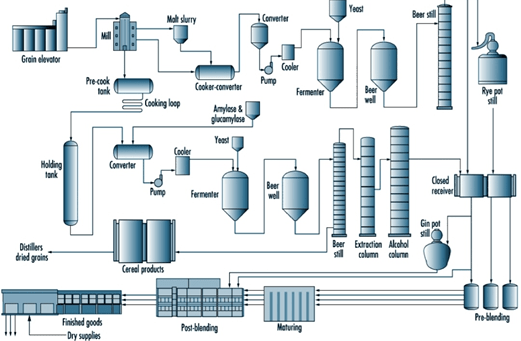
Production of Distilled Spirits:

  • Based on preparation mode, alcohol beverages are fermented beverages (beer) and distilled beverages (Whiskey and brandy).
  • Materials used in  preparation of distilled beverages includes, fermented cereal mash, fermented fruits, molasses, juices, honey and so forth.
  • The phases in distilled spirit production are: receiving of grain, milling, cooking, fermentation, distillation, storage, blending and bottling.
  • Grains are received by grain elevator and the grains are weighed in the elevator.
  • Grains necessary for mash bill are grinded in the milling process.
  • Meal from the mill is received by cookers along with slurries with backslop, water and ammonia. Solubilization of starch takes place using steam-jet cooking.
  • Resulting mash is cooled at fermentation temperature.
  • In the fermentation process sugar is converted to alcohol by using yeast (Saccharomyces Cerevisae). Fermenters are used for the process of fermentation.
  • For cognac and scotches production, pot still distillation is used.
  • By-product is recovered (centrifugation, evaporation, drying and mixing).
  • Whiskies, brandies need to be stored for longer periods for better taste. Charred oak barrels are used for storage. After storage and product maturation(few years), they are

Blended, filtered and packaged as finished products.

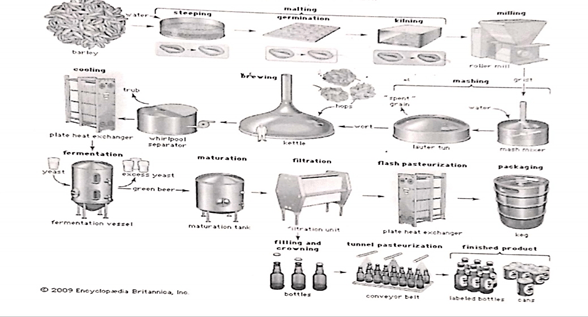
Production of Beer (fermented beverage):

Few steps are involved in beer production:

  1. Malting: barley grain is used for beer preparation and is made ready for brewing. In malting process, malt goes through a very high temperature drying in a kiln, called Kilning process.The process is continued with gradual increase in temperature for few hours. After kilning, grains are called malt and are crushed to expose cotyledons, rich in carbohydrates.
  2. Mashing: starch conversion to sugars takes place in mashing process. Milled grains are mixed large vessel called mash tun. Sugar rich liquid called ‘Wort’ is generated in mashing process.
  3. Lautering: process of separating the wort (liquid with sugar obtained during mashing) from barley grains.
  4. Boiling: large tanks like kettle are used to boil the wort with herbs or sugars. In this step, flavor, color, aroma of the beer is decided. Hops are used which add flavors to beer.
  5. Whirlpool: whirlpool vessel is used to separate out solid particles in the hopped wort.
  6. Wort cooling: cooled at 20-26 degree Celsius and yeast is also added during this process.
  7. Fermentation: cooled wort is added to large fermentation tanks where upon action of added yeast fermentation process is carried out.
  8. Conditioning (beer aging/maturation): after fermentation process, beer is transferred to conditioning tank. In this process beer ages, smoothens.
  9. Conditioning process is done for several weeks and after that beer is filtered and force carbonated for Bottling (packaging of beer into bottles).

FLAGELLA STAINING

  • The motility of many bacteria is due to the presence of thread like appendages called flagella.
  • Flagella are a thin proteinaceous structure which is originate from cytoplasm and comes out from the cell wall.
  • Types of flagellar patterns:
  • Monotrichous: single flagellum at one end.
  • Lophotrichous: many flagella at one end.
  • Amphitrichous: flagella on both ends.
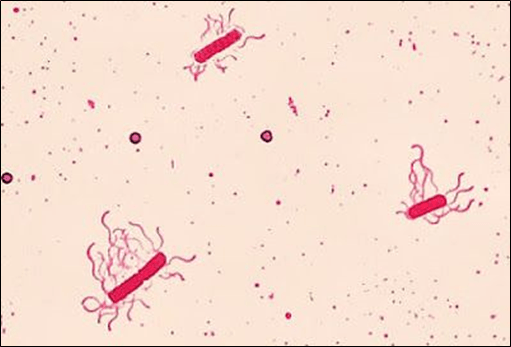
  • Peritrichous:  flagella all over the surface.

Principle:

  • For staining of flagella, Ziehl’s carbol fuchsin is commonly used.
  • Carbol fuchisn is a mixture of basic fuchisn and phenol which has great affinity towards the mycolic acids found in cell membrane of bacteria.
  • In addition, the stain contains tannic acid and potassium alum used to coat and thicken the flagellum to make it visible.

Requirements:

  • 18 hours old culture of proteus vulgaris
  • Flagella mordant
  • Ziehl’s carbol fuchsin
  • Glass slide
  • Dichromate solution
  • 95% alcohol
  • Distilled water
  • Wash bottle
  • Inoculating loop

Procedure:

  • Take the slide and dip in dichromate solution then wash with water and rinse with 95% alcohol, pass the slide through flame and allow it to cool.
  • Prepare the bacterium suspension in distilled water and incubate for 10-15 minutes at room temperature.
  • Place a loop full of the sample on one of the edges of the slide.
  • Tilt the slide to make the drop spread on the slide and a thin film in prepared.
  • Leave the slide to air dry the smear.
  • Cover the smear with flagella mordant and leave for 10 minutes.
  • Wash the slide with distilled water.
  • Flood the carbol fuchsin on the slide and leave for 5 minutes.
  • Wash the slide with distilled water.

Results:

  • Under the microscope the bacterial cell appear pink with deep stained rod, flagella with pink colour on the outer coat.

ENZYMES AND ROLE OF ENZYMES IN DETERGENT

BY: RAHUL ANDHARIA (MSIWM001)

Enzymes:

  • Enzymes are substances which can speed up rate of rate of biochemical reactions.
  •  Enzymes are also known as biological catalysts. Enzyme can accelerate both rate and specificity of metabolic reactions and hence they are highly selective catalysts.
  • Most of the enzymes end with suffixase. There are few exceptions like Ptyalin, trypsin and pepsin. The names of the enzymes are given based on chemical reaction they carry out and also on the basis of substrate to which it acts. This whole process is known as Nomenclature of enzymes.

History:

  • To represent Ferments (process of fermentation-sugar to alcohol conversion) in the year 1878 F.W Kuhne coined the term enzyme.
  • In the year 1903, first ever enzyme was isolated by E. Buchner. In the year 1926 urease enzyme was purified and obtained in its crystalline form. This work demonstrated protein nature of enzyme and was given by James Sumner.

Properties of enzymes:

  • Enzymes are considered as proteins and nearly all enzymes are proteins, although catalytically active few RNA molecules have been identified.
  • Mild conditions are typically required by enzymes for their catalysis (temperatures below 100 degree Celsius, neutral pH and atmospheric pressure).
  • Enzymes acts as catalyst and speed up chemical reaction without being altered by itself in the process.
  • Enzymes are highly specific and acts on specific substrates.
  • Based on the concentration of substrates, activity of enzymes can be regulated.
  • Enzymes can form hydrosols in Free State and are hydrophilic in nature.
  • Turn over(kcat) number of enzymes can be defined as number of substrate molecules altered per minute by an enzyme. If the turn over number is high, enzyme will be more efficient.
  • Nature of enzymes is reversible. Energy requirements, availability of reactants, concentration and pH of products are some factors upon which reversibility of enzyme depends.
  • Specific confirmation for holding and binding to substrates is present at the active site of an enzyme.
  • Enzymes require optimum temperature of around 25-35 degree Celsius and most of the enzymes are heat sensitive (thermo labile). 

Characteristics of enzymes:

  • Holoenzyme: If an enzyme is combined with a co-enzyme (non-protein moiety) it forms holoenzyme. It is catalytically active. Example- DNA and RNA Polymerases.
  • Apoenzyme: It is an inactive enzyme but gets activated when an organic or in-organic co-factor binds to it. Example: Apoglucose oxidase (Can be extracted from Aspergillus Niger).
  • Co-enzyme: It is a non-protein compound and is essential for the activity of enzyme. Co-enzymes can be separated from apoenzymes. Example: S- adenosyl metheionines.
  • Prosthetic group: It is a non-protein component of any conjugated protein. If a substance is attached covalently to the protein part of an enzyme it is called as prosthetic group.      Examples- flavin, biotin, heme.
  • Activator: Generally metal ions (Mg, Mn, and Zn) are designated as activators. They form a co-ordination complex between substrate and enzyme. They can also activate the substrate by inducing electronic shifts.
  • Zymogens: They are secreted in inactive forms and are generally simple protein enzymes. Examples: Trypsinogen, Pepsinogen.

Mechanism of enzyme action:

  • Multiple weak forces present in the active site binds the substrate which results in the formation of enzyme-substrate complex.
  • Once the substrate molecule gets binded, active residues present in the active site of enzyme acts on substrate molecule and transforms it into transition state complex and then to products, which are released.
  • Now, after the release, enzyme is free to bind another substrate molecule to begin its catalytic cycle again.

Substrate-Enzyme Binding:

  • Substrate binds to the active site of an enzyme and active site converts the substrate into products. It is a three dimensional entity made up of amino acid residues.
  • Substrate-Enzyme binding is explained with the help of two famous models:
  • Lock and Key Model:
  • Based on the name, the model explains that the substrate and the active site of enzyme fits together like a key (substrate) into its lock (active site). The theory was proposed in the year 1894 by Emil Fischer.
  • Shapes formed are considered as Rigid and fixed and compliments each other when brought together in a right alignment.
  • Induced Fit Model:
  • When substrate binds to active site it induces a conformational change in the active site of enzyme. This theory was proposed in the year 1958 by Daniel E. Koshland.
  • The theory also states that, enzyme may distort the substrate, which forces the enzyme into a conformational change similar to transition state. Example- Glucose binding to hexokinase.

Classification of Enzymes:

  • Oxidoreductases: It can catalyze oxidation-reduction reactions in which electron transfer takes place. These electrons are usually hydrogen atoms or hydride ions.
  • Transferases: It is involved in transfer reaction from donor molecule to acceptor molecule. Example- Hexokinase used in glycolysis.
  • Hydrolases: Involves transfer of functional groups to water. It generally catalyzes reactions that involves hydrolysis. Example- Chymotrypsin.
  • Lyases: when functional groups are added to break double bonds in molecules, lyases enzymes can be used. Example- fructose biphosphate aldolase (converts fructose 1, 6 bisphosphate to G3P and DHAP by cutting the C-C bond.
  • Isomerases: As the name suggest, they catalyzes transfer of functional groups within a molecule and forms isomeric structures. They allow structural and geometric changes within a compound. Example- Phosphogluco-isomerase.
  • Ligases: Used in joining of two substrates. They are coupled to cleavage of ATP.

Enzymes play an important role in normal metabolism. If enzymes are absent, biochemical processes won’t work. They tend to increase the rate of reaction and essential components in living systems.

Role of enzymes in detergents:

  • Detergents combines with dirt and impurities and makes them soluble. Detergents are water soluble cleansing agents.
  • One main reason in using enzymes for detergents is that they are capable of removing stains at lower temperatures and reduces water consumption.
  • Enzymes are obtained from renewable sources and hence are environment friendly and are incorporated with detergents to minimize the usage of chemicals.
  • Use of toxic compounds also reduces if enzymes are used in detergent formulations.
  • Efficiency of cleaning increases by using enzymes, as number of wash cycles can be reduced.
  • Most common type of enzymes used in detergent formulations are Proteases.
  • Enzymes used in detergents must be effective at alkaline pH, should be able to withstand wide range of temperatures.
  • When enzymes are used in different combinations efficiency of cleaning can be improved drastically. About 80% of detergents in market contains an enzyme or combination of enzymes.

Enzymes used in detergents:

  • Proteases: Hydrolyses of peptide bonds is catalyzed by proteases. In protein based stains, these proteases cleaves peptide bonds. Most common type of protease used in detergent formulation is alkaline serine proteases.
  • Lipases: Triglycerides ester bonds are broken in oil-water interface and hydrolyzes it into mono and diglycerides. Thermostable lipases has been used as additives in detergents. Lipolase was the first detergent based lipase introduced by Novo Nordisk in the year 1988. The other enzymes used in detergents are Amylases, Mannanases, and cellulases.

GENETIC LOAD

BY: RAHUL ANDHARIA (MSIWM001)

Introduction:

  • Genetic load can be defined as the reduction in average or mean fitness of the population due to deleterious alleles (lethal alleles) which may cause death or sterility of the affected genotype.
  • The term genetic load was first used by American geneticist H.J Muller.
  • Genetic load is given as:
  • Equations used to establish genetic load consider single locus systems with alleles.                      (L= wmax – w / wmax))(1). Wmax is hypothetical fitness.
  • L= 1-w (2) where w,   is the average or mean fitness of population.

{P2w1 + 2pqw2 + q2w3}   (where w1, w2 and w3 are relative fitness of the genotype AA, Aa and aa.)   

Factors affecting Genetic load: Selection, Mutation, Balance/segregation and heterozygote advantage.

Types of genetic load:

  1. Mutational load:
  2. Genetic load arising due to deleterious alleles caused by mutations is known as mutational load.
  3. If a recessive gene is deleterious in homozygous condition, the loss in frequency of individuals incurred by genetic load= sq2
  4. Suppose, if N individuals were in a population before selection than sq2 * N are eliminated because of genetic load (genetic deaths).
  5. Therefore, recessive load caused by deleterious recessive allele is given as

L= sq2= u (mutation rate)

  • For a dominant deleterious  allele, loss in frequency of individuals due to genetic load is:

Frequency of affected individuals * selection co-efficient, that is

                          =2p * s

                          =2 * u/s*s= 2u

Therefore, L= 2u.

  • Segregational/balanced load:
  • Due to heterozygote advantage, as the frequency of heterozygote’s increases, homozygotes are produced that die either before birth or are sterile.
  • Therefore there is wastage of alleles or genetic cost which we call as genetic load.
  • The balanced load gets created during selection, favouring allelic or genetic combinations which form inferior genotypes every generation by segregation.
  • In case of heterozygote advantage, mean fitness of population is, w= 1- sp2– tq2.
 AAAaaa
Initial zygotic frequencyP22pqq2
Fitness (w)(1-s)1(1-t)
Each genotype contribution to next generationP2(1-s)2pqq2(1-t), q2– sp2– tq2

Allele frequencies are as follows:

  • P’= t/s+t   and  q’= s/s+t, (equation m), where ‘s’ and ‘t’ are selection co-efficient against AA and aa genotype respectively. Substituting the (equation m) allele frequencies in equation frequency of w, we get:   w= 1-sp2-tq2

                                     = 1-s(t/s+t)2  – t(s/s+t)2

                                        = 1-st2-ts2/(s+t)2   = 1-{st(t+s}/(s+t)2 (so, here t+s and the square gets cancelled)

          Therefore, w= 1-st/s+t  and segregational load is L= st/s+t.

  • The above equation is applicable to one locus. For several loci the segregational load will increase dramatically.
  • Since population fitness will decline rapidly with increase in number of loci, thus:

W= (1-L)i here i, is no of loci showing over-dominance.

  • The required increase in the reproduction rate of surviving individuals will be quite large.
  • In most species, however the possible increase in the reproduction rate per surviving individual will be usually much smaller than required to compensate for this genetic load.
  • As a result, the population would most likely become extinct over time.

Application and Significance:

  • Theory known as Fitness indication theory was build on the assumption that in humans, deleterious germ line mutations can influence fitness outcomes related to their pleiotropic effects on traits.(can influence different or multiple traits at once). There are assumptions and predictions that there exists a fitness factor(F) among traits that signals sensitivity of development to perturbation stemming from deleterious mutations that are present. Therefore, among sexually reproducing taxa, there should exist genetic correlation between distinct traits. The theory was proposed in the year 2000 by Houle and Miller.
  • In future micro-evolutionary trends, in particular for fitness stemming from purifying selection and from mutation accumulation in industrialised population is significant in terms of concept of genetic load.

DNA ISOLATION FROM BACTERIA

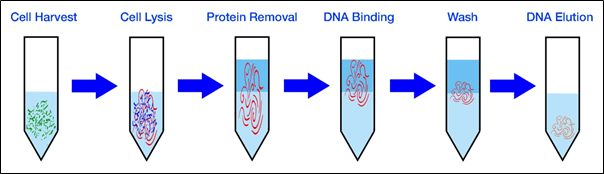
To Isolate Genomic DNA from Bacterial Cell

Theory:

  • In molecular biology the isolation and purification of DNA from cell is most important process.
  • The bacterial cell that is used in this procedure should be grown in suitable media under favourable conditions and harvested in late log to early stationary phase.
  • Along with DNA bacterial cell contain RNA, lipids, protein which needs to separate.
  • The first step in DNA isolation is to disrupt the cell membrane and this is done by SDS (Sodium Dodecyl Sulphate)
  • Endogenous nucleases present on human fingertips can degrade the nucleic acid during purification. This degradation by nucleases can be prevented by chelating mg2+ ions using EDTA.
  • Mg2+ ion is a necessary cofactor for the action of the nucleases.
  • Proteinase K is used to degrade protein in the disrupted cell.
  • And the function of phenol and chloroform is to denature and separate the protein from DNA.
  • The denatured protein makes a layer between aqueous and the organic phase.
  • DNA from the disrupted cell is precipitated by cold absolute ethanol or isopropanol.

Requirements:

  • LB media
  • E.coli DH5α cells
  • TE buffer
  • 10% SDS
  • Proteinase K
  • Phenol:Chloroform (1:1)
  • 5M Sodium acetate
  • Isopropanol
  • 70%ethanol
  • Autoclaved distilled water
  • Eppendorf tube
  • Micropipette
  • Microtips
Micro-centrifuge

Procedure:

  • Take 1.5ml of the bacterial culture (grown overnight) and harvest it by using centrifuge at 5000 rpm for 3-4 minutes.
  • Discard the supernatant and add 600μl lysis buffer and incubate at room temperature for 10 minutes.
  • Then add 200μl 10% SDS and 5μl proteinase K to the cells and incubate for 10-15 at 37o C.
  • Now incubate the tubes in water bath for 10 minutes at 60o C and immediately transfer to ice bucket and keep for 5 minutes.
  • Adding 500μl phenol: chloroform solution in 1:1 ratio and mix by inversion for 1-2 minutes, incubate for 5 minutes.
  • After incubation centrifuge the mix at 10000 rpm for 10 minutes at 4o C.
  • Now carefully transfer the upper aqueous layer to the fresh tube.
  • Add 100μl 5M sodium acetate and equal amount of isopropanol mix by inversion and store at-20o C for 1 hour or overnight.
  • Centrifuge the mix at 5000 rpm for 10 minutes and discard the supernatant.
  • Then add 1 ml of 70% cold ethanol and mix by inversion.
  • Again centrifuge at 5000 rpm for 10 minutes and discard supernatant.
  • Air dry the pellet and add 40μl TE buffer and store at 4o C for further use.

Precaution:

  • To avoid mechanical disruption of DNA cut tips should be used.
  • The incubation period of proteinase K depends on the source of DNA and should be extended.

LINKAGE AND CHROMOSOMAL MAPPING

BY: RAHUL ANDHARIA (MSIWM001)

Introduction (Linkage):

  • Genes may be present on the same chromosome or different chromosome. Many genes are present one chromosome.
  • Characters controlled by genes express in next generation, when the genes are present on different chromosome. Here, we can say they assort independently as per the law of independent assortment given by Mendel.
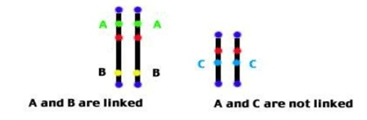
  • Genes tend to inherit, if they are present on the same chromosome and are close to each other.
  • Thus, linkage can be defined as coexistence of 2 or more genes on the same chromosome.
  • Extensive work carried out in drosophila led to the discovery of term Linkage, which was given by Thomas Hunt Morgan.

On a given chromosome, if all the genes are located Physically, than it is called as Linkage group.

Characteristic of Linked Genes:

  • 1:1:1:1 test cross ratio is observed when genes assort independently on different chromosomes.
  • Linked genes remain in the same combination as they are in parents, and do not assort independently.

Chromosome Theory of Linkage:

  • It was given by Castle and Morgan.
  • During the inheritance process, linked genes remain attached to chromosomal material and are present on the same chromosome.
  • Strength of linkage is determined by the distance between linked genes. More stronger linkage is exhibited by closely related genes when compared to widely located genes, which has weaker Linkage.
  • In a chromosome, genes are arranged in linear fashion.

Types of linkage:

Basically two types of linkages are found based on works in drosophila by Morgan and co-workers.

  1. Complete Linkage:
  2. In this linkage, parental characters appears together for more than two generations in a continuous fashion.
  3. Genes transmit together and remain close to each other in this type of linkage.

Example:

  • Fourth chromosome mutant of Drosophila Melanogaster, exhibits complete linkage carrying genes for bent wings (bt) and shaven bristles (svn).
    • Between 2gene pair, there is absence of independent assortment indicating very strong complete linkage.
  • Incomplete Linkage:
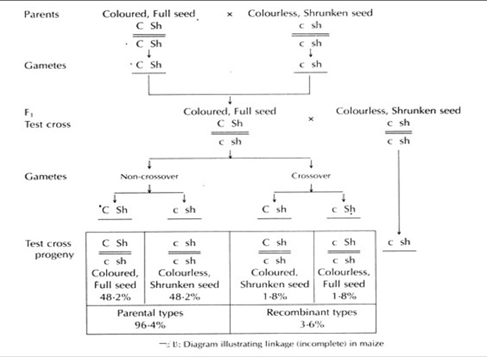
  • Widely located linked genes on chromosomes which are capable of crossing over are called as incomplete genes and the pattern of their inheritance is termed as incomplete linkage.
  • As homologous non-sister chromatids(one part of chromosome) exchange varied length fragments during meiotic phase, the linked genes do not always stay together.

+ExampleThe phenomenon is observed in maize, female drosophila, tomatoes, pea, mice, man and poultry. Incomplete linkage in Maize, was studied by Hutchinson, where he observed alleles for incomplete linkage between colour and shape of the seeds.

 Chromosomal Mapping:

  • Genetic maps: It refers to representing the relative distance between linked genes in a diagrammatic manner.
  • It is also called crossing-over map, as it is the outcome of crossover.
  • Chromosome mapping is construction of genetic maps for different chromosomes.

Steps involved in construction of chromosome maps:

  • Crossing over frequency between 2 genes is directly proportional to the distance between them on the chromosome.
  • One unit map distance between genes(1%frequency of Crossing over between 2genes) is called as Centimorgan.
  • Step 1: Conduct hybridization experiments(among wild and mutants) to know number of genes and chromosomes of a particular species.
  • Step2: Determine the relative distance between linked genes  after knowing the linkage groups.
  • Step3: calculate 2gene distance based on the percentage of crossing over.(crossing over directly proportional to gene distance).
  • Example: Map distance between 2 linked genes is one centimorgan, if percentage of cross over between 2 linked gene is 1 percent.

Hypothetical Construction of chromosomal map:

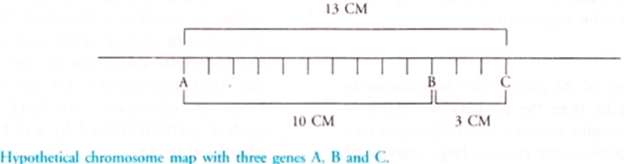
  • Assume that there are 3types of genes: A, B and gene C.
  • Say 10% is the cross over percentage between A and B, they can be plotted on a linear scale.
  • 3% say, is the cross over percentage between B and C, than cross percentage between A and C will determine position of C. It can be away from A or 3units from B.(It can be interpreted by crossing A and C).

Now suppose say, 13% is the cross over percentage between A and C, than C will be plotted 3centimorgans right side to that of gene B.

  •  
  • Formula to determine Recombination frequency:

It can be given as: (Recombination frequency= Total no of recombinants/ Total no Progeny)

Significance of mapping Chromosome:

  • Exact location of genes in a Chromosome can be determined.
  • Approximate distance and correct order between the genes can be obtained and is useful for Genetic studies.
  • Chances of crossing over between genes and their linkage can be studied and obtained using mapping technique.
  • To identify in which loci of chromosomes exactly genes are present.
  • Used in genetic manipulation studies.
  • This chromosomal mapping proves beneficial in Autosomal Dominant testing, which helps to understand the ancestor history by knowing which DNA segments came from which ancestor.