DNA REPLICATION

DNA replication

Content

  • Introduction
  • Types of replication
  • Model of DNA replication
  • Enzymes involved in DNA replication

Introduction

  • It is the process of producing two identical copy of DNA from one original DNA molecule.
  • DNA replication is one of the most essential or important properties exhibited by DNA.
  • Evolution of all morphologically complex form of life is based on the replication.

Types of Replication

  • There are possibly three modes of replication:
  • Dispersive
  • Conservative
  • semi-conservative

Semi Conservative

  • In this mode of replication, two  old parental strands serve as template for synthesis of new daughters strands and each new DNA contains one strand from the parent and one from newly formed progeny.
  • The evidence of semi conservative replication of DNA was first presented by Meselson and Stahl in 1958.

Dispersive

  • The old DNA molecule would break into several pieces, each fragment would replicate and the old and new segment would be combined to yield two progeny DNA molecules; each progeny molecule contains  both old and new strands along its length.

Conservative

  • According to the conservative replication, the old parental strands remains together and newly formed daughter strands are also together.

Model of DNA Replication

  • The brief discussion of DNA replication model is as follows:
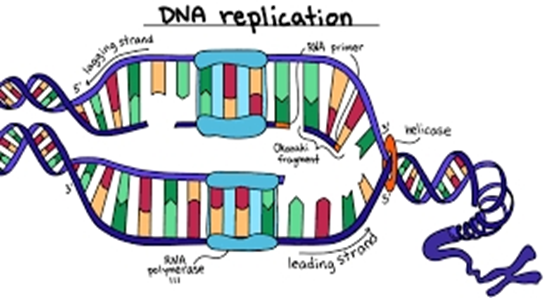
  • DNA applications initiate at certain unique and fixed point called origin.
  • There is unwinding of complementary strands of DNA duplex with the help of two enzymes DNA gyrase and DNA helicase, this process is called Melting.
  • Single strand binding protein are attached to two single stranded region so that they not join to form duplex.
  • Due to melting in the origin region it produces two Forks(Y), in the DNA duplex and one fork is located at the end of the melted region. Generally, both the fox are involved in replication and become Replication Fork.
  • After formation of replication fork ,Primase enzymes initiate transcription of the strand in the 3’-5’ direction. This results in the generation of 10-60 long primer RNA.
  • The free 3’-OH of the  RNA primer provide initiation point for DNA polymerase for the sequential addition of deoxyribonucleotide.
  • The replication of the second strand (5’-3’) DNA is discontinuous, Hence 3’-5’strand of DNA is termed as the Leading strand and 5’-3’ is termed as Lagging strand.
  • Lagging strand generates small polynucleotides fragment called Okazaki fragments, during replication. This fragment is about 1000-2000 nucleotides long in E.coli.

Enzymes Involved in the DNA Replication.

  • There are some important enzymes which are involved in the replication of DNA :
  • DNA polymerase
  • Primase
  • Polynucleotide ligase
  • Endonuclease
  • Helicase
  • Single stand binding protein (SSB).

DNA polymerase

  • This enzyme synthesizes new strand on a template DNA strand.
  • It is also known as DNA replicase.
  •  Its activity was first explained by Kornberg in 1956.
  • In prokaryotes, there are five types of DNA polymerase:
DNA polymeraseGeneFunctions
1polAMajor repair enzyme
2polBMinor repair enzyme
3polCDNA replication
4dinBSOS repair
5umuD2’CSOS repair

Primase

  • It involves in the synthesis of RNA primer, which are required for initiation of DNA replication. It is RNA polymerase that are used only to synthesize primer during replication.

Ligases

  • This involves in the formation of phophodiester linkage and joining of two newly formed DNA strands.

Endonucleases

  • It produces an internal cut in a DNA molecule, while Restriction Endonucleases are those that cuts at only specific site or sequences.

Single strand binding protein

  • It prevents from forming duplex by binding to single strand DNA.
BACTERIA

Introduction

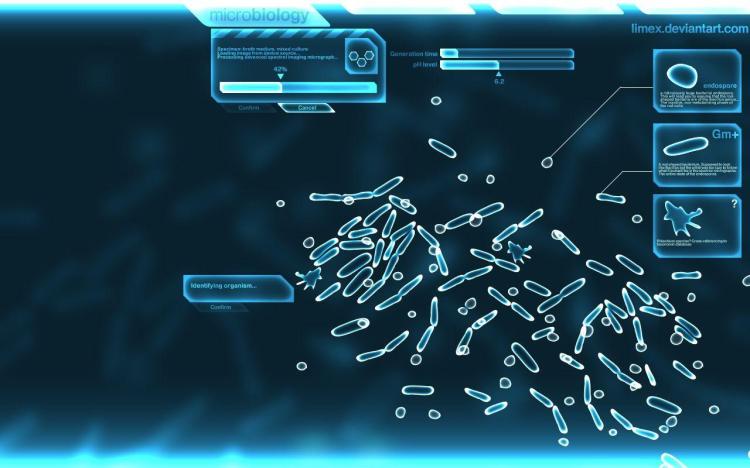
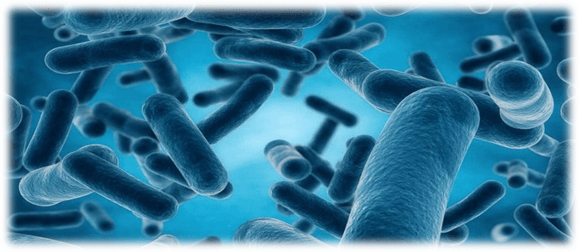
  • Bacteria (singular bacterium) are unicellular microorganism which are of microscopic size and cannot be seen with unaided eyes.
  • Constitute large domain-prokaryotes.
  • They are among the first life form evolve on the earth and present in most of the habitat.
  • Bacteria inhabit normal to the extreme habitat like air, water, soil, radioactive waste, hot springs, deep seas, even in human gut, etc.
  • Also live in symbiotic and parasitic relationship with plants and animals. Example rhizobium associate with leguminous plants.
  • Length of bacteria ranges in few micrometres. E.coli (1.0-2.0 micrometre long and 0.5 micrometre in radius), Mycobacterium tuberculosis (2-4 micrometre long and 0.2-0.5 micrometre width), V cholerae (1-3 micrometre long and 0.5-0.8 micrometre radius).
  • The study of this discipline of microbiology is called bacteriology.
  • Bacteria are beneficial for human and other animals in a way that they produce various kind of vitamins, enzyme and food products. Example- vitamin B12, lactic acid, alcohol.
  • They are key components of our biosphere playing important role in biogeochemical cycles, removal of toxic substance and decomposition of waste materials.
  • Involve in nitrogen fixation hence improve soil fertility.
  • With beneficial characteristics several bacteria are pathogenic and cause various kind of disease in human, plants and animals. Example- cholera, tuberculosis, syphilis, anthrax, and more.
  • In industries bacteria are useful in waste water treatment and industrial fermentation for cheese and yogurt production.

Structure

  • Bacteria is a prokaryotic organism their body lacks nucleus and cellular components.
  • Bacteria are covered by a membrane called cell wall chiefly made up peptidoglycan (murein layer).
  • Peptidoglycan layer mainly constitute of polysaccharide which are cross linked by peptide bonds.
  • Peptidoglycan layer is made up of two glucose derivative N-acetylglucosamine (NAG) and N-acetylmuramic acid (NAM) chain. The chain is linked with tertapeptide bonds
  • Four protein in tetrapeptide bond are L-alanine, D-alanine, L-lysine or meso-diaminopimelic acid (DPA) and D-glutamine.
  • Cell wall contributes to the survival of the bacteria, protection from harsh environment and antibiotics.
  • Peptidoglycan layer in gram positive bacteria is 20-80 nm thick in contrast gran negative bacteria contain 2-7 nm thick layer.
  • Gram negative bacteria contain acidic substance known as teichoic acids which provide rigidity to the cell wall.

Outer Membrane

  • Over the cell wall gram negative bacterium contain an external layer called outer membrane it contain lipopolysaccharide, phospholipids, lipoprotein and proteins.

Glycocalyx

  • It’s the carbohydrate enriched layer that covers the outside of the bacteria.
  • It provides protection against host
  • This glycocalyx layer associate with the pathogenic property to the bacteria.
  • Glycoclayx in a tightly packed form is called as capsule, in contrast in loose packing it is called as slime layer.

Surface Auxiliary

FLAGELLA

FLAGELLA
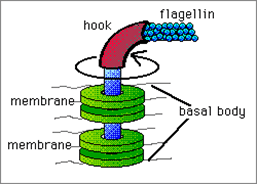
  • Hairlike structure, attach on the surface of the cell, main function is to provide mobility to the bacteria
  • Both gram positive and gram negative bacteria contain flagella. Consist of three parts filament, hook and basal body.

PILLI

PILLI
  • Thin hairlike structure on the surface of gram negative bacteria
  • Play an Important role in conjugation process

Fimbrae

  • Present on both kind of cells gram negative an gran positive
  • Helps in attachment to the surface

Classification

  • Shape
TypeExample
Bacillus (Rod-Shaped)Escherichia coli (E. coli)
Coccus (Sphere)Streptococcus pneumoniae
Vibrio (Comma Shaped)Vibrio cholerae
Spirilla or spirochete (Spiral)Spirillum volutans
  • Mode of Nutrition
TypeExample
Autotrophic BacteriaPurple bacteria
Heterotrophic BacteriaAll disease-causing bacteria
  • Cell Wall
TypeExample
Gram positiveStaphylococcus aureus
Gram negativeEnterobacteriaceae
  • Mode of Respiration
TypesExample
AerobicPsuedomonas aeruginosa
AnaerobicClostridium

Reproduction

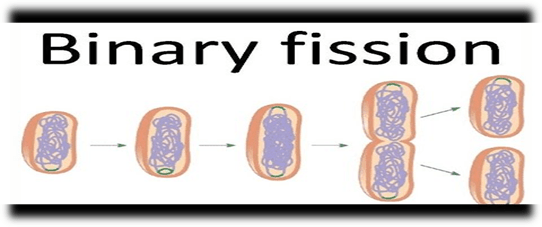
  • The mode of replication in bacterium is binary fission.
  • In this process the parent bacterial cell divided into two identical daughter cells.
  • Replication of DNA starts in the parent cell and each copy is transfer into the daughter cell.
  • Rate of reproduction is depend on the conditions like temperature, nutrient availability, moisture this is called favourable condition. E.coli generation rate is 2 million bacteria in 7 hrs.
  • In some rare cases they undergo sexual reproduction by conjugation, transduction and transformation. Helps in genetic modification in bacteria which results in the antibiotic resistant property.

LABORATORY GLASSWARE

LABORATORY GLASSWARES

  • Petri dish
  • Conical flask
  • Beakers
  • Test tube
  • Pipette
  • Graduated cylinders
  • Funnels
  • Glass slides or Microscope slides
  • Centrifuge tubes
  •  Inoculating loop

Petri dish:

  • Is a shallow transparent lidded dish.
  • It is also known as petri plate or cell culture dish.
  • Petri dish or petri plate was discovered by Sir Julius Richard Petri.
  • It is used to culture cells of different microorganisms such as bacteria, fungi and small mosses.
  • Diameters ranging from 30-200 mm.
  • It is usually made up of borosilicate glass.

Uses:

  • In microbiology for culture of microorganisms.
  • In cell culture for cultivation of isolated cells.
  • In sample storage and display.

Conical flask:

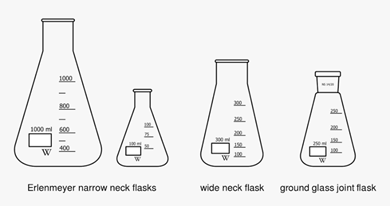
  • It is a type of flask which have a conical body with flat bottom and a cylindrical neck.
  • It is also known as Erlenmeyer flask or a titration flask.
  • It is named after scientist Emil Erlenmeyer.

Uses:

  • In microbiology, it is used for the preparation of microbial culture.
  • In chemistry, it is commonly used for mixing by swirling during titration and other solvents.

Beaker:

  • It is a laboratory equipment or glassware.
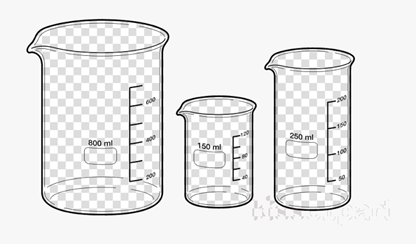
  • It is generally container with flat bottom and cylindrical in shape and also have small beak to aid pouring.
  • They are made up of glass [Borosilicate glass] or certain plates.

It is of three types:

  • A low from or Griffin from beaker.
  • A tall from or Berzelius beaker.
  • A flat beaker or Crystallizer.

It is commonly used for diluting concentrated chemicals make buffers or catch products during an experiment.

Test tube:

  •  It is a finger –like length made up glass or plastic, which is closed at the bottom and open at the top.
  • It is also referred as Culture tube or Sample tube.
  • It is generally made up of Borosilicate glass.

Uses:

  • In Bioscience for handling and culturing of different organisms.
  • In chemistry commonly used for handling of chemicals.

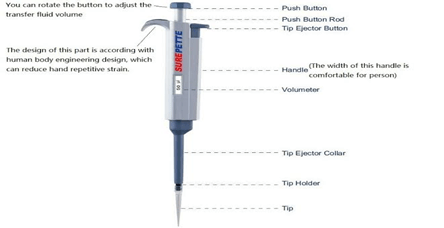
Pipette:

  • It is a laboratory tool, sometimes also termed as pipet
  • It is commonly used in biology, medicine and chemistry labs for transfer of measured volume of liquid.
  • Pipettes ranges from 1-1000 µL are distinguished as Micropipettes and Macro pipettes.
  • Heinrich Schnitger was first to patent micropipette in 1957.

Graduated Cylinder:

  • It is commonly laboratory glassware which is used to measure the volume of liquid.
  • It has a narrow and cylindrical in shape.
  • Graduated cylinder also known as mixing or measuring cylinder.
  • Graduated cylinder are made up of Polypropylene.

Funnels:

  • It is a tube that is narrow at the bottom and wide at the top.
  • It is commonly made up of stainless steel, aluminum, glass, or plastic.

Uses:

  • used for pouring liquids or powder.
  • used for holding filter paper in filtration.
  • used in transferring liquid in small container.

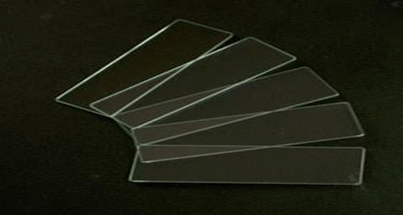
Glass slides or Microscope slides:

  • It is flat piece of glass.
  • It is commonly used for the examination under microscope.
  • A standard microscope slides ranges from 75mm by 25mm and 1mm thick.

Centrifuge tubes:

  • It is generally plastic or glass tube which is used for containing liquid during centrifugation.
  • It is usually made up of Polypropylene.

Inoculating loop:

  • It is simple laboratory tool used by microbiologists.
  • It is also known as smear loop or, micro-streaker.
  • It is generally made up of metal wire [such as Nicrome, platinum or tungsten].
  • Inoculating loop used for transferring a small sample or inoculum from a culture of microorganisms.
  • It is also used in streaking on a culture plates.

STERILIZATION

Sterilization by autoclave, its principle, procedures, application and precautions.

Objective

Sterilization by using autoclave.

Principle

Sterilization is the process of removal or killing of microorganisms from the object. In the laboratory it is done by the use of an instrument, the autoclave.

Autoclave is a cylindrical vessels having double wall around all parts except the upper side. It builts to withstand the steam pressure of at least 15 LBS per square inch.

The principle used here is saturated steam under pressure. Saturated steam is the water vapour at the temperature saturated steam is the water vapour at the temperature at which it is produced.

The water molecules become more aggregated that increase their penetrating power. Autoclave is usually operated at 15 LBS per square inch pressure for 15 minute which raises the temperature to 121°C.

Procedure

  • Sufficient amount of water is placed inside the autoclave.
  • Pack the material properly before putting inside the autoclave for sterilization.
  • The steam outlet is kept open till  air from inside autoclave has been evacuated and then close the steam outlet.
  • The  pressure is allowed to remain at 15 LBS per square inch for 15 to 30 minute is done by controlling the steam.
  • Now, off the plug leave the autoclave for cooling down and thus the pressure is reached down to zero mark.
  • Then open the lid and take out the materials.

Application

  • Autoclave used to sterilize usual  non- carbohydrate media, broth and agar media, contaminated media ,etc.
  • This type of sterilization is also used in the commercial canning of fruits and vegetable.
  • In, Hospital Also to maintain hygiene and contamination free clothes and instruments.

Precautions

  • Ensure there is sufficient water in the autoclave before operating .
  • The lid should be closed tightly.
  • The air should be completely evacuated from the autoclave and the steam must have to material to be sterilized.

NUTRIENT AGAR MEDIA PREPARATION

NUTRIENT AGAR MEDIA PREPARATION ITS PRINCIPAL, COMPOSITION, REQUIREMENTS, PROCEDURE AND PRECAUTION.

AIM:

Preparation of growth Media for Microorganisms.

Theory:

The survival of microorganisms in the laboratory as well as in the nature depends on their ability to grow under certain chemical and physical conditions. An understanding of these conditions enables us to characterize isolates and differentiates them into different groups. Such knowledge can also be applied to control the growth of microorganisms in practical situations. A growth media or culture media is a solid or liquid preparation used to growth, harvest and store the microorganisms. To prepare the solid media, solidifying agent i.e. agar is added to the liquid media. Agar is polysaccharide which is extracted from agarophyte red algae, Gelidium amansii. Agar is inert towards microorganisms due to its unique setting, melting temperature and ability to allow diffusion of compounds while interlocking water in the rigid gel. To be effective, the medium must contain all the nutrients which are required for the growth of microorganisms. A wide variety of culture media is employed by the bacteriologist for the isolation, growth and maintenance of pure culture and also for the identification of bacteria according to their biochemical and physiological properties. Generally bacterial culture media can be broadly categorized into the following categories: –

General purpose media: Is a non-selective media which allow most aerobic and facultative aerobic microbes to grow. It is used primarily for the isolation of microorganisms. Media other than general purpose media used are selective media, differential media, specialized media and enriched media etc.

Selective media: Is designed to suppress the growth of some microorganisms while allowing the growth of others i.e. selects for certain microbes. Selective media is usually made in solid from so that individual colonies may be isolated easily. Examples of selective media include Mannitol salt agar, MacConkey agar, Eosin-methylene blue agar, and Columbia C-CAN agar.

Differential media: Allow the growth of more than one microorganisms of interest but with morphologically distinguishable colonies based on specific biochemical properties of the organisms. Most differential media contain a substrate and a chemical indicator, often pH indicator. Examples of differential media are MacConkey agar and Eosin-methylene blue agar.

Enriched Media: It contain specific growth factors needed by fastidious bacteria to support their growth. Examples of enriched media include Blood agar and Chocolate agar.

Composition of NA media:

NA medium that is commonly used to culture members of the Eneterobacteriaceae as well as for coli phage plaque assays.

S. No. Ingredients Quantity[gm/liter]
   1.  Peptone            5.0g
   2. Beef extract            3.0g
   3.    NaCl            5.0g
   4.Distilled    water       1000.0mL

  *For nutrient agar add 15.0 g agar. Used for isolation of bacteria and actinomycetes.

Preparing of Media:

Microbiologists often used multiple types of media to cultivate microorganisms in order to either specifically grows a particular organism, or to obtain information about the biochemical properties of the organisms that grow. The most used culture media to grow the microorganisms is general purpose media [basal media].

Requirements:

  • Ingredients to prepare media
  • Spatula
  • Conical flasks
  • Autoclave
  • Weighing machine

Procedure:

  • Take conical flask and clean it properly.
  • Weight the components of media which you are going to prepare.
  • Add the desire amount of water to dissolve the ingredients of media.
  • Plug in the conical flask with cotton plug properly then autoclave the media at 1210C and 15psi pressure for 15 minutes.
  • After autoclaving, you can use the media for research purpose.

Precautions:

Be sure that the media should be autoclaved properly and it should at 40C until use.

Interpretation of Results:

Media will be seen clear after autoclave.

LABORATORY RULES

General laboratory safety rules to follow

There are some laboratory safety rules and regulation that must be followed by every person present in a laboratory. These rules are intended to provide behaviour, hygiene and avoid any accident in the laboratory any safety of the individual.

Rules are as follow

  1. Always put your footwear outside the laboratory to avoid any contaminations,
  2. One should always wear lab coat which protect form stains of various chemical or dyes.
  3. Know location of each equipment, glass wears, chemicals and safety equipment and always put in their place after use.
  4. Should avoid direct skin and eye contact with chemical
  5. Post warning signs, basic rules, hazardous chemicals  in the lab.
  6. Don’t try put anything in mouth while working in the lab
  7. Always wear hand gloves, safety glasses, mask,  protective gears while performing experiment.
  8. In case of any injury or accident immediately inform to the instructor.
  9. No horseplay will be tolerated
  10. Avoid distracting person working in the laboratory.
  11. All the containers of chemical should be well labelled
  12. Wash hand before and after performing experiment 
  13. Long hairs loose clothes should be pulled back tightly
  14. Eating and drinking should be avoided inside the laboratory
  15. Always make a plan to execute experiment before performing it.
  16. Laboratory glassware should not use to store food stuff 
  17. Never lift any chemical or glassware above the eye level
  18. Turn off all the unnecessary light switches and ignitions source
  19. Don’t not perform any experiment without any proper knowledge
  20. Keep your working area clean form all thrash
  21. Don’t work alone in the lab.

SCOPE

Scope and appliance of microbiology

About

  • Microbiology is a discipline of biology which deals with the study of microscopic organism, their interaction with other organisms and with environment.
  • It includes microscopic level organisms like bacteria, algae, fungi, protozoa and the infectious agent viruses too.
  • Microorganisms present all over the globe form high altitude to the deep seas include hot springs, extremely cold climates, and high pressure even in the salty lakes.
  • Microorganisms are both beneficial and harmful to human. I.e. required in the industrial production of food stuff (bread, yogurt, beer, wine, etc), antibiotics(penicillin, chloromycetin, streptomycin) vaccine, enzymes, vitamins and many more products along with it is harmful in the way by causing fatal disease like small pox, plague, malaria, cholera, HIV, influenza and more.
  • They plays important role in maintaining the stability of ecosystem by recycling the organic and inorganic substance in carbon, nitrogen, sulphur and phosphorus cycle.
  • There were many events in history that tells us how infectious microbes put the human population in danger. Like black death(1346),  yellow fever(1793), Spanish flu(1918), SARS(2002), H1N1 flu(2009), MERS(2014), ebola(2014), etc.
  • In addition to the disease outbreaks microorganism plays major role in food spoilage, detoriation on materials like paper, wood, metal and plastics.
  • In agriculture nowadays genetically improved crops are used to get more yields and disease resistant crop which can be obtained by the involvement of microorganism.
  • As microbes are present everywhere it enhances the scope and contribute in many fields like pharma, agriculture, dairy, food industries, research, nanotechnology, water industry, chemical industry.
  • Microbiologists are the person who studies these microorganisms and their morphology, behaviour, metabolic activity, habitat, reproduction, nutritional requirement, their application and pathogenicity, improvemnet and modifications which leads to the high demand of microbiologist globally.

Fields:

Dairy and food industry:

  • Deals with the microbial production for the food stuff, prevention of spoilage of food and transmission of food borne disease.  

Agricultural microbiology:

  • It include the study of microbial strains which are used to obtain genetically modified crops which are resistant to many diseases and higher yields. Production of bio-fertilizers and maintenance of the rhizo-flora.

Medical microbiology:

  • Study of disease their causative agents, prevention, diagnosis and treatment. In addition in includes various clinical appliance of microbes oh human health.  

Environmental microbiology:

  • The study of microbes and their interaction with environment, role in geochemical cycles, microbial diversity, bio-remediation

Genetic engineering:

  • It deals with the study of modifying microorganism at gene level and engineered microbes are used to produce hormones, enzymes, vaccines, vitamins, antibiotic and other products.

Microbial physiology:

  • Includes the study of microbial morphological structure, metabolism and growth.

Industrial microbiology:

  • Deals with the production of antibiotic, fermented food, aminoacids, vitamins, steroids, enzymes, alcohol. In addition with the strain improvement and process of enhancing product quantity.

Soil microbiology:

  • The study of soil flora and role of microorganism in soil fertility

Water microbiology:

  • Major part of this field is the waste water management as is it a challenging condition for the world with industrial waste discharged in the water bodies and leading to the pollution causing threat for aquatic life.

Applications:

The diversity of microbes on the globe makes microbiology the most complex and largest discipline.

Food:

  • There are a majority of microbes used in the food and dairy industries for the production of food from wine, beer through the cheese, yogurt to manufacturing of bread.
  • Include Process of fermentation, pasteurization, industrial production, processing of food its packaging, food preservation and storage.
  • Microbial spoilage of food production and their prevention.

Environmental microbiology:

  • working of biogeocycle(carbon, nitrogen, sulphur and phosphorus) done by microorganism
  • microorganism are present in free living state and in association with plants in symbiotic relationship.
  • Maintaining the soil fertility without exhausting soil nutrients.
  • Responsible for cleaning toxic substance from the environment. 
  • Some are pathogenic to the plant but there are few strain which act as biological control agents and protect plant against this diseases.

Medical microbiology:

  • Disease causing microbes i.e. bacteria, algae, fungi, protozoa and virus responsible for causing numerous types of diseases ranging from  acute to severe life threatening.
  • Examples are cholera, influenza, malaria, HIV, tuberculosis, plague, etc
  • Their diagnosis, transmission, prevention and cure are the major part of the medical microbiology
  • In contrast to the pathogenicity there are some strains inhibit the growth of other diseases causing microbes by producing antibiotic, hence, used for the production of antibiotics.

Biotechnology:

  • Genetically engineered strain used for the production of therapeutic substance like human growth hormone, insulin, etc
  • Also contribute in the commercial production of  acetone, alcohol, drugs etc

Research:

  • Diversity and unicellular structure of microbes make them easy to study and research over multicellular structure.
  • In addition they can produce millions of copies from a single cell rapidly with very low cost which is good for experiments performed.
  • Short generation time leads to quick result analysis.

Future aspects of microbiology:

  • Due to population explosion in the world there could be scarcity of food in near future in that condition single cell protein can be an alternative.
  • Newly and highly resistant species of diseases causing microbes is a challenge for the present and in the future so r DNA technology is useful to overcome this problem.
  • Treatment of cancer and HIV like diseases
  • Food preservation methods for highly perishable food items

VARIOUS EXAMS AND ORGANIZING COMMITTEE FOR LIFE SCIENCES

Life sciences have a vast carriers opportunity with different numbers of competitive exams which gives a great platform and opportunity to work in the fields  of life sciences:

Some of the national level entrance exams are:

S.NoNational Entrance Tests for PhDHeld in Month ofWebsite link
1.CSIR-UGC NET exam  June and Decemberhttp://csirhrdg.res.in/
2.NCBS  Decemberhttp://www.ncbs.res.in/phd_program.htm
3.DBTFebruaryhttp://www.dbtindia.nic.in/
4.TIFRNovemberhttp://univ.tifr.res.in/gs2016/
5.ICMR  Julyhttp://icmr.nic.in/jrf.htm
6.NIMHANS  Februaryhttp://www.nimhans.ac.in/
7.JNU PhD Entrance  Mayhttp://www.jnu.ac.in/
8.GATEFebhttp://www.gate.iisc.ernet.in/
9.Manipal University  http://www.manipal.edu.my/admission/apply-now/  
10.       NIPER PhD Entrance ExamJunehttp://www.niper.ac.in/admissions.html
11.Universityof Hyderabad PhD Entrance Exam  Junehttp://www.uohyd.ac.in/index.php/admissions  
12.GTU PhD Entrance Exam  Aprilhttp://gtu.ac.in/PhD.asp
13.       National Brain Research Centre, PHD Entrance ExamMayhttp://www.nbrc.ac.in/academic_program.php
14.BITS Pilani PhD Entrance Examination  June /Julyhttp://bitsadmission.com/bitsatmain.aspx
15.AIIMS PhD Entrance Exam,  Jan, Julyhttps://www.aiimsexams.org/index.html
16.IISC PhD Entrance Exam  Aprilhttp://www.iisc.ernet.in/
17.NDRI PhD entrance exam,  Junehttp://www.ndri.res.in/ndri/Design/education.html
19.Bhabha Atomic Research Centre (BARC) PhD Admission Test  Februaryhttp://www.hbni.ac.in/students/academic_prg.html
20.Indian Agricultural Research Institute PhD Entrance Exam,  http://www.iari.res.in/index.php?option=com_content&view=article&id=100&Itemid=582
21.IISER Indian Institute of Science Education and Research Mohali PhD Admission  No entrance, GATE, ICMR, CSIR qualified can applyhttp://www.iisermohali.ac.in/postdoc.html
22.Indian Institute of Technology (IIT) Guwahati – PhD Admissions Test  Based on CGPAhttp://www.iitg.ac.in/acad/
23.IndianSchool of Mines Dhanbad PhD Admission Test  May Only Env Scihttp://www.ismdhanbad.ac.in/phd-jrf/
24.Indian Veterinary Research Institute Bareilly PhD Admission TestMayhttp://www.ivri.nic.in/academics/CoursePhD.aspx
25.BINCFebruary – Marchhttp://btisnet.gov.in/biedu.asp
26.GPATJanuaryhttp://www.aicte-gpat.in/Home/Index_New.aspx

source: Biotechnika.com

Top Life Sciences B.Sc. & M.Sc. College in India.

Life science provides and ocean of opportunities, we often hear and get anxiety about which will be the right direction or path and how one should plan to go about it. Don’t worry!! Microscopica help you to choose best colleges for your bachelors and masters and give you an overview of all complete exams for B.Sc. and MSc microbiology or life sciences.

Here is the list of some top colleges in India:

CollegeAdmission procedureCityLink
St. Xavier collegeEntranceKolkatahttp://www.sxccal.edu/
Fergusson collegeEntrancePunehttp://www.fergusson.edu/
Delhi UniversityMerit based(B.Sc.) and entrance (M.Sc.)North campus, Delhihttp://du.ac.in/
St. Xavier collegeEntranceMumbaihttp://www.xaviers.edu/
Banaras Hindu university (BHU)Entrance-:BHU-UET and BHU- PETVaranasihttp://bhu.ac.in/
Chandigarh universityEntranceChandigarhhttp://www.cuchd.in/
Baba Shahab Bhim Rao Ambedkar college(BBAU)EntranceLucknowhttp://www.bbau.ac.in/
VITMerit basedVellorehttp://www.vit.ac.in/
Aligarh Muslim UniversityEntranceAligarh, UP.http://www.amu.ac.in/
Barkatullah vishwavidyalayEntranceBhopal, Madhya Pradeshhttp://www.bubhopal.ac.in/
Chaudhary Charan Singh Haryana agricultural UniversityEntranceHisar,Harayanahttps://www.hau.ac.in/
Central University of RajasthanEntranceRajasthanhttp://www.curaj.ac.in/
Central University of HaryanaEntranceHaryanahttp://www.cuh.ac.in/
Central University of Tamil NaduEntranceTamil Naduhttp://cutn.ac.in/
Kurukshetra UniversityEntranceBhatinda, Punjabhttp://www.kuk.ac.in/

History of Microbiology


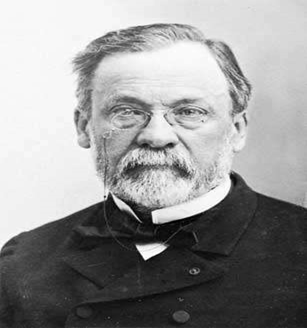
Louis Pasteur

  • He was a French microbiologist.
  • He Known for his work in the field of Microbial fermentation, vaccination, and pasteurization

 Born– 27 December 1822

Died– 28 December 1895

Award’s

  • Legion of Honor Grand Cross (1881)
  • Rumford Medal (1856)
  • Foreign members of the Royal society (1869)
  • Copley Medal (1874)
  • Albert Medal (1882)
  • Leeuwenhoek Medal (1895)

Contribution:

  • He was one of the leading microbiologist during the golden age of microbiology(1860-1910) .
  •  He is considered as the father of modern microbiology.
  • Pasteur was a French microbiologist gave the theory of Bio-genesis is most powerful of spontaneous generation, using swan neck flask experiment his work on the subject was published in 1861 as  memory of the organised bodies which exist in the atmosphere.
  • He gave  Microbial theory of fermentation in 1857.
  • He observed the fermentation of lactic acid from sugar by several different kind of yeast, bacteria and noticed microscopic globules in the very deposit of fermentation vessels, when these globules was transferred to a fresh nutrient consisting sugar yeast extract, the globule greatly lactic acid was formed.
  •  In 1867 Pasteur, was suggested that mild heating at 62.8°C  for 30 minutes rather that boiling was enough to destroy or kills the undesirable microorganisms without ruining the  taste of product, this process was referred as Pasteurization.
  • Pasteur developed Anthrax vaccine in 1881 5 years later, he was successful in preparing vaccine against Rabies.
  • Pasteur work seems to be demonstrate that microbes may  be cause of diseases or if they  may spoil the wine, perhaps they may also makes the body sick. This developed the germ theory of disease.

ROBERT KOCH   

Full name: Robert Heinrich Hermann Koch.

Born: 11 December 1843.

Died: 27 May 1910.

Discoveries:

  • Koch’s postulates.
  • Mycobacterium tuberculosis.
  • Asiatic cholera.
  • Anthrax bacterium.

Awards:

  • For MemRS [1897].
  • Nobel Prize in medicine [1905].
  • The first direct demonstration of the role of bacteria is causing disease was provided by Robert Koch.
  • A German physician who first of all isolated Anthrax bacillus [i.e. Bacillus anthracic] the cause of anthrax in 1876.
  • In 1882 he discovered Mycobacterium tuberculosis.
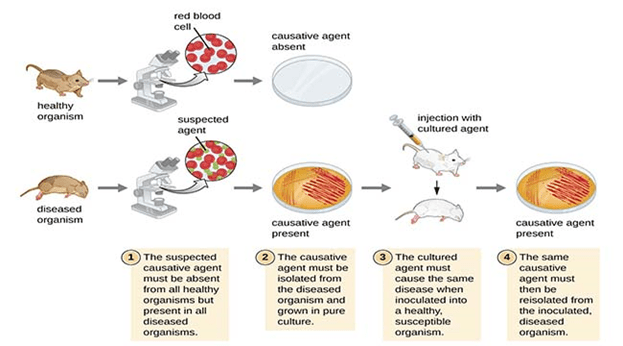
  • The most notable contribution of was the establishment of the casual relationship between the microorganism and a specific disease by applying a set of criteria referred to as Koch’s postulates.
  • Koch’s postulates published in 1884 and are the cornerstone of germ theory of disease and are still in use today to prove the Etiology [specific cause] of an infection disease.5
  • The postulates are : –
  • The suspected microorganisms must always be found in diseased but never in healthy individuals.
  •  The microorganism must be isolated in a pure or nutrient medium.
  •  The same disease must result when the isolated microorganisms is inoculated into a healthy host.
  •  The same organism must be re-inoculated from the experimentally infected host.
  •  Also demonstrated Vibrio Cholera that is the causing agent of the disease Cholera in 1883.

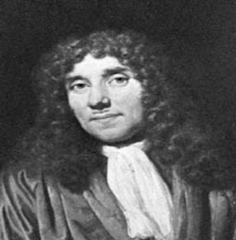
ANTONIE VAN LEEUWENHOEK   

Full name: Antoine Philips Van Leeuwenhoek.

Born: 24 October 1632.

Died: 26 August 1723.

Subject of study:

  • Bacteria
  •  Protozoa,
  • Microscope,
  •  red blood cell,
  • weevil.
  • He  was the first to observe bacteria and protozoa.
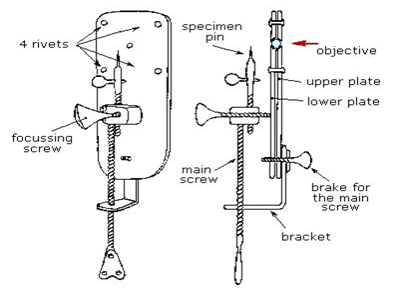
  • Van Leeuwenhoek was the first to experiment by using single lens microscope of his own design with microbes, which he originally referred to as ANIMALCULES.
  • He is commonly known as the father of Microbiology [Ancient].
  • He assembled simple microscope in 1674 and made more than 500 optical lenses. He also made at least 25- single lens microscope of different types out of which only nine survived.
  • He was also examined the blood and other tissues of human including his own tooth scrapping, minerals and plant materials.
  • Leeuwenhoek was the first person to give precise and accurate description of bacteria and protozoa using microscope ,he made himself because of this extraordinary contribution to microbiology. He is referred as the Father of Bacteriology and Protozoology.

Main Discoveries:

  • Infusoria in 1674
  • Bacteria [e.g. large Selenomonas from the human mouth] in 1683.
  • The vacuole of the cell.
  • Spermatozoa in 1677.
  • The banded of Muscle of fibers in 1682.