EXTRACTION OF PLASMID DNA

BY: K. Sai Manogna (MSIWM014)

In 1952, Joshua Lederberg invented the word ‘plasmid.’ It was initially formed from bacteria; plasmids are extrachromosomal genetic elements that can reproduce independently in most Archae, Eukarya species, and Eubacteria. Plasmids are double-stranded circular DNA molecules that are different from the chromosomal DNA of the cells. 

The genetic material found within the chromosomal DNA guides the structure and function of a bacterial cell. In some instances, plasmids are usually not required for the host bacterium to survive. Although not necessary, by encoding functions that may not be defined by the bacterial chromosomal DNA, plasmids significantly contribute to bacterial genetic diversity and plasticity. Antibiotic tolerance and the expression of proteins, for example. The plasmid is also encoded by antibiotic resistance genes, allowing the bacteria to survive in an environment containing antibiotics, thereby providing the bacterium with a competitive advantage over species susceptible to antibiotics. Plasmids may be altered as a means to express the protein of interest for e.g., production of human insulin using recombinant DNA technology. 

 As a mechanism for gene-cloning and as a vehicle for gene-expression, plasmids have been central to modern recombinant DNA technology. 

Isolation of Plasmids 

In molecular biology, bacterial plasmid DNA isolation is a crucial technique and an integral step in many processes, such as cloning, DNA sequencing, transfection, and gene therapy. These manipulations need the isolation of high purity plasmid DNA. In all molecular biology procedures, cloning, such as digestion with restriction enzymes, PCR, transfection, in vitro translation, blotting, and sequencing, purified plasmid DNA can be used for immediate usage. 

In molecular biology, alkaline lysis is used to separate plasmid DNA or other cell components, such as proteins, by splitting open the cells. Primarly, bacteria containing the plasmid of interest are allowed to grown and then lysed with an alkaline lysis buffer composed of a sodium dodecyl sulphate (SDS) detergent. Cellular debris is extracted, and the plasmid is separated and filtered through a series of steps, including agitation, precipitation, centrifugation, and the removal of the supernatant. 

Principle:

Purification of plasmid DNA from bacterial DNA using alkaline lysis is based on the differential denaturation of plasmid and chromosomal DNA. Disruption of the cellular structure to produce a lysate, separation of the plasmid from the chromosomal DNA, cell debris, and other insoluble material are the essential steps of plasmid isolation. With a lysis buffer solution, bacteria are lysed. 

Materials and Equipment:

Refrigerated centrifuge

Vortex

Microwave oven

pH meter 

Orbital shaker 

Micropipettes

Autoclave

LB plate with Bacterial colonies

1.5 ml micro-centrifuge tubes

Autoclaved distilled water

Microtips

Microfuge tubes 

Chemicals:

1. Lysis Solution (Solution I)

2. Denaturation solution (Solution II)

3. Neutralizing solution (Solution III)

4. TE Buffer

5. RNase

6. Phenol: Chloroform: isoamyl alcohol

7. 70% Ethanol

8. Isopropanol 

Preparation of Stock solutions:

  1. Solution I (Lysis solution): 50mM Glucose, 25mM Tris-Hcl (pH 8.0), 10mM EDTA (pH 8.0). Store at 4oC.
  2. Solution II (Denaturation solution):1% SDS, 0.2N NaOH (pH 12.0). Freshly prepared and store at room temperature.
  3. Solution III (Neutralizing solution): 60 ml of 5 M potassium acetate, 11.5 ml of glacial acetic acid, and 28.5 ml of water. Store at 4oC.
  4. TE Buffer: 10mM Tris-HCl (pH 8.0), 10mM EDTA (pH 8.0)
  5. RNase (1mg/ml)
  6. Phenol: Chloroform: Isoamyl alcohol -(25:24:1).
  7. Washing buffer
  8. Elution buffer

Biological material:

Overnight grown culture of E.coli.

PROCEDURE

Harvesting of the cells: 

  1. The single bacterial colony is transferred into a 5 ml LB medium containing appropriate antibiotic, incubated for 16 hrs at 37oC with vigorous shaking. 
  2. About 1.5 ml culture is transferred into a microfuge tube and centrifuged at 6000 rpm for 5 min at 4oC and discard the supernatant. 

Isolation of Plasmid by alkyl-lysis method:

1. The bacterial pellet is re-suspended in 100μl of ice-cold solution-I by vigorous vortexing. This is essential to ensure that the bacterial pellet is wholly dispersed in the solution I. 

2. Add 200μl of freshly prepared solution II. Mix the contents by inverting the tubes rapidly 4 to 5 times. A transparent and viscous solution ensured complete lysis. Do not vortex. Incubate on ice for 3 min. 

3. Add 150μl of ice-cold solution III. Mix by gently inversion for about 10 seconds to disperse the solution III through the vicious bacterial lysate. Further incubate the tubes on ice for 5 min. 

4. Centrifuge at10,000 rpm for 5 minutes at 4oC and transfer the supernatant to a fresh tube. 

5. To this add equal volumes of phenol-chloroform, mix by vortexing. After centrifuging at 10,000 rpm 5 minutes at 4oC, transfer the aqueous phase to a fresh tube. 

6. Precipitate the double-stranded DNA by adding an equal volume of isopropanol, mix gently, and allow the mixture to stand for two minutes. Then centrifuge at 10,000 rpm for 10 minutes at 4oC. 

7. Remove the supernatant by gentle aspiration. 

8. Then wash the pellet with 1 mL of 70% ethanol (twice). Allow the DNA pellet to air dry for 10 minutes. 

9. Re-dissolve the DNA pellet in 50μl of TE (pH 8.0). 

Isolation of PLASMID by spin column method:

1. Inoculate a single colony of bacterial cells from the petri plate using a sterile inoculation loop to 5ML of LB broth and allow them to grow overnight at 37°C at 200 rpm.

2. From the pre-inoculum transfer, 1.5 ML of bacteria-containing cells into 2mL centrifuge tubes and centrifuge the cells at 8000 rpm. for one minute. Then the supernatant was discarded.

3. Re-suspend the cells in 200 µL of resuspension solution. Then mix the cells thoroughly by pipetting up and down or vortexing it.

4. To this, add 200 µL of lysis solution and mix the tubes by gently inverting up and down.do not vortex it. They were then incubated for five minutes.

5. To this, add 350 µL of the neutralizing solution and, for mixing, invert the tubes 4 to 6 times. Then Centrifuge these tubes at 10,000 rpm for 10 minutes.

6.    Binding column preparation: Take a new centrifuge tube and insert a new binding or spin column into it. To this, add 500 µL of column preparation solution and spin at 10,000 rpm for one minute. Then discard the solution that was collected in the centrifuge tube.

7. Then, transfer the clear lysate to the binding column and centrifuge at 10,000 rpm for one minute. Discard the flow-through that was remained in the centrifuge tube.

8.    Washing: In this step, add 750 µL of washing solution to the binding column and spin the centrifuge tube for one minute. Then discard the solution that remained in the centrifuge tube. (Do the washing step twice).

9. Then, change the spin column into the new centrifuge tube. Then spin the column for one minute and incubate at room temperature for 2 – 5 minutes.

10. ELUTION: In this step, the spin column is transferred to the fresh collecting tube. Then add 70 µL of elution buffer to the spin column and spin for one minute at 10,000 rpm. Label the vial as elution I.

11. Transfer the same spin column to the fresh collecting tube and add 40 µL of elution buffer to the spin column and spin for one minute at 10,000 rpm. Label the vial as elution II.

12. Then discard the spin column, and the vials labelled as elution I and II are stored at -20oC or -80oC.

Preparation of agarose gel electrophoresis:

  1. First, take a gel casting tray, then clean the tray with ethanol and seal the edges with transparent tape and place the comb.
  2. Then 0.8% of agarose solution was prepared using 1X TBE. When the temperature was lowered, add a little amount of Ethidium bromide to it and mix well.
  3. After mixing, pour the agarose solution into the gel casting trays and then allow for polymerization. Make sure with the absence of air bubbles while pouring the solution. After polymerization, remove the comb without breaking the gel. 
  4. Submerge the agarose gel into the electrophoresis tank containing 1X TBE buffer.

Electrophoresis of isolated plasmid DNA.

1. Take 3 – 4 µL of eluted sample and add 2 µL of sample buffer.

2. Load 5-6 µL of a sample into each well along with a DNA marker or ladder.

3. Run the electrophoresis and allow the plasmid DNA to run in 1X TBE buffer at a constant voltage. Keep track of the dye front.

4. Then disconnect the power electrophoresis tank and remove the gel using gloves. Place the gel in the Gel Documentation System or Transilluminator and visualize the DNA bands in the UV light.

5. Quantify the concentration of DNA from the DNA marker or ladder used.

Role of chemicals used:

Spin column: The desired nucleic acids should be bound to the column after centrifuging the lysate through the silica membrane, and impurities such as protein and polysaccharides should be in the flow-through. While plant samples are likely to contain polysaccharides and pigments, the membrane may be slightly brown or yellow in blood samples. The washing steps will remove such impurities. Usually, there are two washing measures, but this varies depending on the type of sample. A low concentration of chaotropic salts to eliminate residual proteins and pigments will also be part of the first wash. In order to extract the salts, this is often accompanied by an ethanol wash. Columns contain a resin of silica which binds to DNA/RNA selectively. By its capability to bind silica in the presence of high concentrations of chaotropic salts, the DNA of interest can be isolated. 

Washing: With an alcohol-based wash, these salts are then removed, and the DNA is eluted using a low-ionic-strength solution such as TE buffer or water. Dehydration and the formation of hydrogen bonds that compete against poor electrostatic repulsion seem to be driving the binding of DNA to silica. Therefore, a high salt concentration will help push DNA adsorption to silica, and the DNA will be released at a low concentration. 

Elution buffer: The Elution buffer is initially used to wash away unbound proteins and release the ligand’s desired protein at a higher concentration. The elution buffer must work rapidly without altering the desired protein’s function or activity. This enables to stand within the membrane for a few minutes before centrifugation for optimum DNA elution.

Glucose: It helps in maintaining osmolarity and keeps the cells from bursting.

Tris HCL and EDTA: This helps in chelating divalent metal ions such as magnesium calcium and destabilizes the cell wall, inhibiting DNases’ action.

NaOH and SDS: In the lysis buffer or solution II, sodium hydroxide, and the detergent Sodium Dodecyl (lauryl) Sulfate (SDS) are present. SDS is used to solubilize the cell membrane. NaOH helps in the breakdown of the cell wall, but more significantly, it interferes with the hydrogen bonding between the DNA bases, turning the cell’s double-stranded DNA, including the genomic DNA and the plasmid, into single stranded DNA.

RNase: It helps incomplete digestion of unwanted RNA from the plasmid sample.
GALACTOSE TO GLUCOSE SYNTHESIS

BY: Ria Fazulbhoy (MSIWM031)

Introduction

Galactose is a sweet tasting monosaccharide sugar which is a carbohydrate, which is an aldohexose molecule. Galactose is a very important molecule in the body as it is needed for the synthesis of lactose, glycolipids, glycoproteins as well as proteoglycans. It is also known as “brain sugar” as it is useful in formation of the glycolipids which occur in the brain and the myelin sheaths of the nerve cells. Galactose can be hydrolysed from interstitial disaccharide lactose, which is known as the ‘sugar of milk’. (lactose = glucose + galactose). Glucose and galactose are stereoisomers of each other, differing in stereochemistry at carbon 4.

Conversion of galactose to glucose

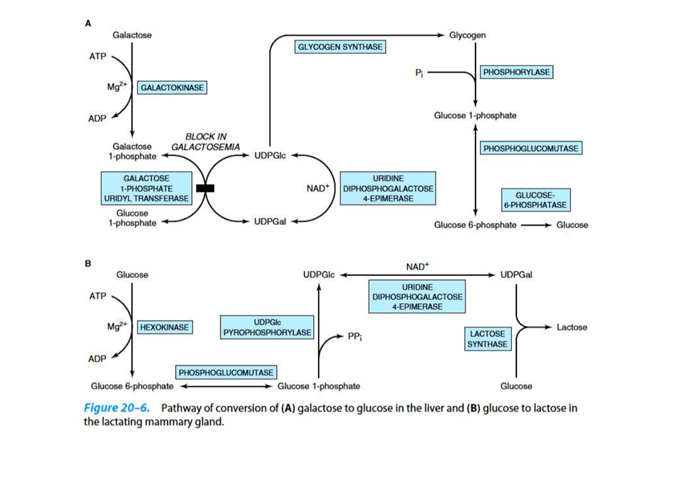
Galactose can be readily converted to glucose in the liver. This is done in the following steps:

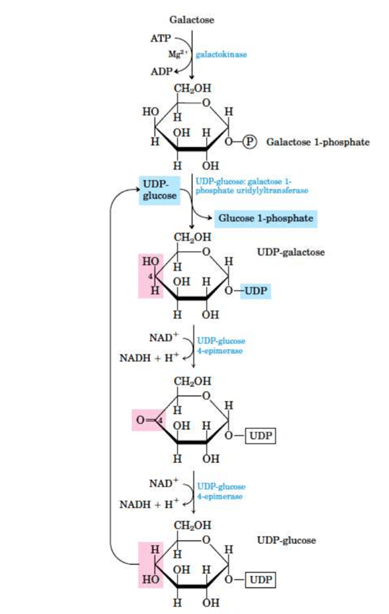
  1. The first step is the conversion of galactose to galactose-1-phosphate on the action of galactokinase. It is a phosphorylation reaction, in which ATP acts as the donor of the phosphate group.
  2. Galactose-1-phosphate reacts with UDP glucose i.e. uridine diphosphate glucose (UDPGlc) to form uridine diphosphate galactose (UDPGla). Glucose-1-phosphate is also formed and given out in this step.

This reaction is catalysed by an enzyme called galactose-1-phosphate uridyl transfer

  1. After this, UDP galactose which is formed is converted to UDP glucose by an epimerization reaction.

This is catalysed by UDP-4 glucose epimerase.

  1. The epimerization reaction will involve the oxidation and reduction of carbon 4, using NAD+ as coenzyme.
  2. Finally, from the so formed UDP glucose, glucose is released in the form of glucose 1 phosphate

NOTE: The epimerization reaction is freely reversible, thus glucose can convert back to                 galactose as and when required. This is the reason that galactose is not a dietary essential.

To yield lactose in the mammary gland, UDPGal condenses with glucose. This reaction is catalysed by lactose synthase

Galactosemia is a disease related to this pathway:

  • Galactosemia is the disruption of galactose metabolism.
  • Classic galactosemia is the most common type, in which a deficiency of galactose 1 phospahte uridyl transferase activity is inherited.
  • Due to this, galactose 1 phosphate is accumalated and as a consequence, the inorganic phosphate of the liver is depleted.
  • This results in the ulitimate liver failure and mental detoriation.
  • Infants who are afflicted seriously fail to thrive. They go through symptoms of vomitting and diarhhea after consuming dairy products, enlargement of the liver, and jaundice (which can progress to cirrhosis)
  • Cataract, lethargic developement and retarded mental developement is also very common amongst children. Cataract is observed due to deposition of a galactose metabolite, galactitol, in the lenses of the eyes. Galactitol is osmotically active, due to which water diffuses in the eyes and instigates cataract formation.
  • Other side effects include increase in level of blood galactose level, which is then found in urine.
  • Females can also display ovarian failure.
  • A stirct limitation of galactose consumption in diet can greatly reduce these symptoms.
  • An important diagnostic criterion for this the absence of transferae in the red blood cells.

Conclusion:

Thus, galactose is a very important carbohydrate present in the body which can be easily converted to glucose ( in the form of glucose-1-phosphate) for energy. This is a  reversible reaction, as glucose and galactose are stereoisomers. This is why galactose is not an essential need for the body.

Deficiency in the enzymes that carry out this conversion may result in a vast range of symptoms under galactosemia.

BACTERIAL WATERBRONE PATHOGENS

BY: K. Sai Manogna (MSIWM014)

The potential for spreading through drinking water is the emerging pathogenic bacteria of concern outlined here, but they do not correlate with the existence of E. Coli or with other measures of the consistency of drinking water widely used such as coliform bacteria. There are no satisfactory microbiological markers of their existence in most cases. To understand the real nature and dimension of the diseases caused by water polluted with these bacteria and the ecology of these pathogens, further studies are required.

Mycobacterium Avium Complex (Mac):

The complex Mycobacterium avium (Mac) consists of 28 serovars of two species: Mycobacterium avium and Mycobacterium intracellular. With the discovery of disseminated infection in immunocompromised individuals, especially people with HIV and AIDS, the Mac species’ significance was recognized. MAC members are deemed to be opportunistic human pathogens. A wide range of environmental sources, including coastal waters, rivers, lakes, streams, wetlands, springs, soil, piped water supplies, plants, and house dust, have defined Mac species. Mac species have been isolated from the delivery systems of natural water and drinking water in the USA. The ubiquitous existence of Mac organisms stems from their ability under varied conditions to thrive and evolve. Mac species can proliferate at temperatures up to 51°C in water and expand over a broad pH range in natural waters. These mycobacteria are incredibly resistant to the use of chlorine and other chemical disinfectants in drinking water care. Standard drinking-water treatments may not remove Mac species but may substantially reduce the numbers present in the source water to a level that poses a negligible risk to the general public if it is running satisfactorily. In delivery systems, the entryway for these mycobacteria is through leaks. For their continued presence in distribution systems, the growth of Mac organisms in biofilms is probably significant.

Slow-growing mycobacteria can be present in the surface biofilm at densities higher than 4,000 per cm2, producing a potentially high exposure level. The signs of Mac infections result from either respiratory or gastrointestinal colonization, potentially spreading to other places in the body. Exposure to Mac species may occur through the consumption of contaminated foodstuffs, the inhalation of air containing contaminated soil particles, or through touch or ingestion, aspiration or aerosolization of the organisms containing drinking water.  Unlike gastrointestinal pathogens, where E. No appropriate indicators have been identified to signal increasing Mac species concentrations in water systems, and coli can suggest possible presence.

Helicobacter pylori:

As a significant etiologic agent for gastritis, Helicobacter pylori has been cited and has been involved in the pathogenesis of duodenal ulcer and peptic disease and gastric carcinoma. Most people who are infected by this pathogen, however, remain asymptomatic. Using methods based on history, H. There has been no isolation of pylori from environmental sources, including water. Molecular methods have, on the other hand, been useful in detecting the pathogen.

Fluorescence in situ hybridization (FISH) has been successfully used to detect this pathogen in drinking water delivery systems and other water bodies. To detect the presence of H, a polymerase chain reaction was also used. Pylori DNA in drinking water, especially biofilm-associated. In biofilms for drinking-water, H. Pylori cells lose culturability rapidly and enter a viable but non-culturable state. Cells persist for more than one month in these biofilms, with densities exceeding 106 cells per square cm. It remains unclear how the organism is transmitted. Nevertheless, the fact that it has been oral-oral or fecal-oral transmission is demonstrated by recuperation from saliva, dental plaques, stomach, and fecal samples. Water and food tend to be of less immediate significance, but they can still play a significant role in improper sanitation and hygiene.

Aeromonas Hydrophyla:

Over the past years, A. Hydrophila has received attention as an opportunistic pathogen for public health. The elderly, children under the age of five, and immunosuppressed persons may play a significant role in intestinal disorders. Gram-negative, non-spore-forming, rod-shaped, facultative anaerobic bacilli belonging to the Aeromonadaceae family are Aeromonas hydrophila. Even though the dominant species is typically hydrophila, whereas other aeromonads, such as A.Sobria, and A.Caviae were isolated from human feces and water sources. Species of Aeromonas, including A. Hydrophila, in the field, are ubiquitous. It is also segregated from food, potable water, and aquatic ecosystems. Concentrations of Aeromonas spp. in safe rivers and lakes Typically, 102 colony-forming units (CFU)/mL are around. In general, groundwater contains less than 1 CFU/mL. It was noticed that drinking water immediately leaving the treatment plant contained between 0 and 102 CFU/mL. Drinking water can show higher concentrations of Aeromonas in delivery systems due to the growth of biofilms. With Aeromonas spp. growth was observed between 5° – 45° C.

A. Hydrophila is immune to standard treatments with chlorine and is likely to live within biofilms. Ingestion of infected water or food or touch of the organism with a break in the skin are the typical routes of infection suggested for Aeromonas. A potential source of pollution for human beings may be drinking or natural mineral water. There was no recorded person-to-person transmission.

INDUSTRIALLY IMPORTANT MICROORGANSIMS

BY: Reddy Sailaja M (MSIWM030)

Microorganisms are minute creatures from time immemorial and omnipresent in all kinds of ecosystems on earth. Microorganisms are of different types: Bacteria, Fungi, Protozoa, Algae and Virus. These are not visible through naked eye and require microscope for their structural and functional evaluation.

Industrial microbiology deals with the application of various microorganisms for industrial processes that are beneficial to mankind.

Characteristics of industrially important microorganisms include:

  • Non pathogenic and non-contagious
  • Easy and rapid growth on industrial scale
  • Need of inexpensive medium for culture and growth
  • Production of spores
  • Easy inoculation
  • Desired product should be produced rapidly on large scale
  • capability to genetic manipulation, if required

Major industrial products produced by microorganisms:

  • Pharmaceutical drugs
  • Vaccines
  • Organic acids and solvents
  • Steroids
  • Dairy products
  • Enzymes
  • Beverages
  • Antibiotics
  • Amino acids
  • Vitamins

Figure 1: Major applications of microorganisms

Beverages:

Yeast species was widely used from thousands of years to produce beverages like wine, brandy, whiskey etc. Yeasts fall under kingdom Fungi and are eukaryotic, single celled organisms. Yeasts species, Saccharomyces cerevisiae  was allowed to grow on malted cereals and fruit juices to produce ethyl alcohol.

Beyond yeast, bacteria – Acetobacter, Lactobacsp. B. bucheri, etc and fungi – Pichia fermentans, Cyberlindnera mrakii etc are usually used in wine production

Antibiotics:

Discovery of Penicillin, an antibiotic by Alexander Fleming in 1928 is a significant step in medical microbiology history in the 20th century. Antibiotic is a bioactive substance produced by a microorganism that has the ability to either inhibit the growth or kill the other microorganism. Fungi are the main source of antibiotics.

Fungi of Actinomycetes group produce antibiotics like tetracyclin, streptomycin, actinomycin D etc. While, antibiotics like Penicillin, Cephalosporin etc are produced by filamentous fungi.

Organic acids and solvents:

Organic acids and solvents are produced from the microorganisms mainly for the pharmaceutical and other industrial needs. These compounds can be produced either from glucose or in the form of end products from pyruvate or ethanol.

Microorganisms that produce organic acids include:

Aspergillus niger – Citric acid

Acetobacter aceti – Acetic acid

Lactobacillus – Lactic acid

Salmonella – Formic acid

Escherichia coli – Butric acid and malic acid

Acetobacter xylinum – Ascorbic acid

Enzymes:

Enzymes, also called biological catalysts occur naturally in the living system and regulate biochemical reactions. As enzymes have wide applicability in both medical and non-medical fields, microorganisms are genetically modified to produce industrially important enzymes. Amylase was the first industrial enzyme to be produced in the year 1896. Amylase has the ability to regulate indigestion and other digestive system related disorders.

Enzymes are widely used in food preservation, food processing, leather and paper industries, detergents and scientific research and development sectors like molecular biology.

MicroorganismSubstrate for growthEnzyme producedApplications
Aspergillus niger, Penicillium sp.PectinPectinaseAlcohol production, clarification of fruit juices
Saccharomyces diastaticusStarchAmylaseAlcohol production, starch removal glucose syrups production
Bacillus sp.ProteinsProteaseBread, baked foods, waffles production
Aspergillus sp.LipidsLipaseFood and aroma enhancement, biofuel degradation
Cellulomonas sp.CelluloseCellulaseAlcohol and glucose production
Streptomyces sp.XylanXylanasePaper production, biofuel production
Actinomyces, Streptomyces sp.ChitinChitinaseFood additive, therapeutic agent, antifungal and antitumor

Table 1: Enzymatic application of microorganisms

Amino acids:

Amino acids are building blocks of proteins and have high demand as supplements in food and nutraceutical industries. These are also used as supplements in bakery and packed foods. Microorganisms utilize amino acids for their metabolism and growth. Microorganisms are stimulated to produce extra amino acids, such that the extra amino acids are excreted into the surrounding medium.

Lysin and glutamic acid are the prime amino acid supplements in the preparation of bread and other nutritional supplements. Glutamic acid in the form of Monosodium Glutamate is used as flavor enhancing compound in the packed foods.

Glutamic acid is being produced from Corynebacterium gluatmicum. Corynebacterium sp. also used in:

  • Steroid conversion – an important process in the development of pharmaceutical products.
  • Hydrocarbon degradation – breakdown of plastic and oils for environmental protection.

Other amino acid producing bacteria include:

L-alanine – Corynebacterium dismutans, Pseudomonas dacunhae, Escherichia coli

L-arginine – Serratia marcescens, Bacillus subtilis

L-aspartic acid – Escherichia coli

Vitamins:

Vitamins are critical for vital functions and a healthy life. As the human body unable to synthesize these compounds, it is necessary to be supplied in the diet in small amounts. Vegetables and meat are sources of vitamins.

Microorganisms are grown in bulk quantities for the commercial production of vitamins like – thiamine, riboflavin, folic acid, vitamin B12, ascorbic acid, beta-carotene etc.

Some microorganisms that produce vitamins include:

Beta-carotene – Blakeslea trispora, Phycomyces blakesleeanus

Riboflavin – Mycocandida riboflavin, Candida flareri, Clostridium buytilicum

Vitamin B12 – Pseudomonas denitrificans, Bacillus megaterium, Propionibacterium freudenreichii.

Pharmaceutical drugs:

Trichoderma polysporum produces ‘Cyclosporin A’ which is used as immunosuppressive agent during organ transplantation. Moscus purpureus produces ‘Statins’ that has the ability to reduce blood cholesterol levels.

Single cell proteins:

Microorganisms that are rich in protein content can be used as protein supplements for human and domestic applications and are called single cell protein (SCP).

Algal species, Spirulina is the most popular SCP being produced commercially as a protein supplement.

Other SCP producing microorganisms include:

Bacteria – Pseudomonas fluorescens, Lactobacillus, B.megaterium

Algae – Chlorella pyronoidosa, Chondrus crispus

Fungi – Aspergillus fumigates, A. niger, Rhizopus cyclopium

Yeast – S.cerevisae, C.tropicalis, C.utilis

Apart from the above applications, microorganisms have major applications in vaccine production, biofuel production and in treatment of malnutrition.

ARTIFICIAL INTELLIGENCE AND THE HEALTHCARE INDUSTRY TODAY

BY: Ria Fazulbhoy (MSIWM031)

The healthcare industry is going through a massive shift in many ways and using methods. The new world of artificial intelligence and technology has left no stone unturned, including the field of biology. From personal assistants like Siri, Alexa and Google home to smart watches tracking your steps, heart rates and sleep patterns, and mobile applications directing fitness and mental health, this amalgamation of technology and biology has made its way into everyone’s life. This is just the beginning, and we have a long way to go in the exploration of applications of this unique innovation.

Various emerging Industry Applications:

  1. Medical imaging: Many companies today are involving Artificial Intelligence – associated platforms in the medical field for scanning devices in order to improve image clarity and clinical outcomes. This is done by reducing exposure to radiation (For Example: CT scans for liver and kidney lesions).
  1. Management of chronic diseases: Machine learning is being integrated into devices like sensors, to detect, monitor and automate the delivery of treatment. This reduces manpower and increases efficiency.
  1. Drug discovery: A number of applications are there which involve the use of AI with drugs. This includes designing of drugs, polypharmacology, drug repurposing, screening of drugs and chemical synthesis.
  1. Telemedicine: Electronic consultations, medicine management and analyzing medical records and other data of the patients drastically helps the doctors, nurses as well as the patients. Today’s technology has enabled telemedicine to be an emerging field and has helped millions across the globe, especially during the trying times of the Covid-19 pandemic.
  1. Robot assisted surgeries: Data from real surgical processes are collected by cognitive surgical robotics to improve on and improve the already existing approaches to surgery. This greatly helps with minimizing the patient’s treatment time and chance or probability of error.

These are a few upcoming trends amongst various others.

Noteworthy examples of Integration of artificial intelligence in healthcare:

  1. KENSCI

KENSCI is a company targeted towards AI for hospital risk prediction. Its main goal is to combine artificial intelligence and big data to predict financial, operational and clinical risk in hospitals. It takes data from different and existing sources, which can then predict who may get sick and also keeps hospital costs in check.

  • XTALPI (Cloud based digital drug discovery)

This unique technology combines cloud and quantum physics which results in the prediction of small molecules’ chemical and pharmaceutical properties which plays an extremely important role in drug design and development, and thus, drug discovery. This company has a polymorph prediction i.e., crystal structure prediction technology, which is able to predict complex molecular systems and structures within days, as compared to the normal time of weeks and months.

  • ATOMWISE 

Atom wise constitutes a neural network for clinical trials, known as Atom Net. This helps to identify differing biological activity of patients, including their characteristics. The technology can screen anywhere between 10 to 20 million genetic compounds every day and has been found to deliver results 100 times faster than other competitive pharmaceutical companies in the markets. Clinical trials are essential for new discovery of pharmaceuticals and vaccines, and this practice is helping us move toward a cure for serious diseases, including Ebola and multiple sclerosis.

  • DEEP GENOMICS

This is a Canadian based platform which aims at helping researchers find candidates that would be compatible with drugs that are mainly targeted towards neuromuscular and neurodegenerative disorders. Finding the right candidate can improve chances of successful clinical trials. This also aids in the revolutionizing stream of personal medicine.

CORONARY ARTERY DISEASE/ ISCHEMIC HEART DISEASE

BY: Ria Fazulbhoy (MSIWM031)

How does it occur?

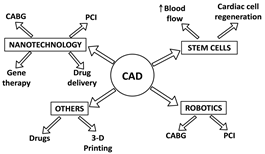
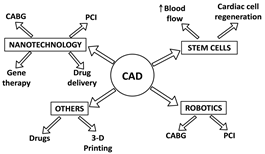
This disease is currently the leading cause of death, worldwide. The ischemic heart disease is also known as coronary artery disease (CAD), atherosclerotic heart disease and coronary heart disease (CHD).

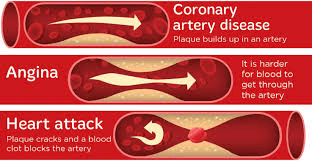
The disease occurs due to the blockage of the arteries leading to inadequate blood supply to the heart due to a number of reasons like building of plaque, excess exertion, high levels of cholesterol, etc. While narrowing may be caused by a blood clot or blood vessel constriction as well, it is more often caused by plaque accumulation, called atherosclerosis.

In the blood, cholesterol particles begin to accumulate on the walls of the arteries that supply the heart with blood. Eventually, it can form deposits called plaques. These deposits narrow the arteries and obstruct the flow of blood eventually.

The amount of oxygen supplied to the heart muscle is decreased by this reduction in blood flow. The heart muscle cells die, which is called a heart attack or myocardial infarction, when the blood supply to the heart muscle is completely blocked (MI).

Risk factors that increase chances of the disease:

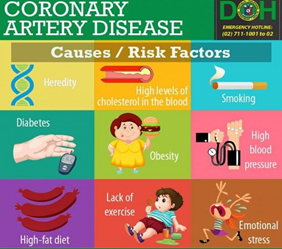
The risk of developing ischemic heart disease is raised by a variety of variables. Not all individuals with risk factors are going to get ischemic heart disease. There are risk factors for ischemic heart disease include:

  • Diabetes
  • Family history of the condition of the heart
  • High cholesterol in the blood
  • Blood Pressure High
  • Strong triglycerides in the blood
  • Obesity
  • Inactive physique
  • Smoking and other forms of tobacco

Symptoms:

People can experience ischemic heart disease symptoms either regularly or only occasionally, depending on the severity of the case. Some common symptoms experienced by patients include:

  1. Angina pectoris

When the heart muscle is deprived of enough oxygen, the pain endured is called angina pectoris. This is a clinical condition characterized by chest, chin, shoulder, back, or arm pain that is normally exacerbated by exercise or emotional stress and immediately relieved by rest or nitroglycerin use.

  1. Breath shortage: One can experience shortness of breath or severe exhaustion with exercise if the heart can’t pump enough blood to meet the needs of your body.
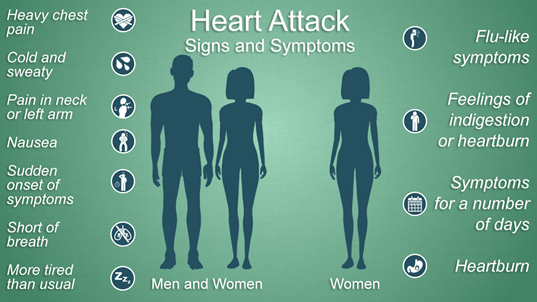
  1.  Heart attack. A coronary artery that is totally blocked can cause a heart attack. Crushing pressure in one’s chest and pain in your shoulder or arm, sometimes with shortness of breath and sweating, are the classic signs and symptoms of a heart attack.
  1.  Arrhythmia – abnormal heart rhythm: Inadequate blood flow to the heart or heart tissue damage can interfere with the electrical impulses of your heart, causing irregular heart rhythms.

Diagnosis:

  1. Electrocardiogram – ECG or EKG: The electrical activity, rate, and regularity of your heartbeat are calculated by
  2. Echocardiogram: A image of the heart is generated using ultrasound (special sound wave).
  3. Exercise stress test: Tracks your heart rate as you walk on a treadmill. This helps to decide how well the heart functions as more blood needs to be pumped.
  4. Chest X-ray:  In order to create an image of the heart, lungs, and other organs in the chest, x-rays are used.
  5. Coronary angiogram: Monitors blockage and passage of blood into the coronary arteries. In order to detect dye injected through cardiac catheterization, X-rays are used.
  6. Coronary artery calcium scan:  A computed tomography (CT) scan searches for calcium accumulation and plaque in the coronary arteries.

Treatment:

Treatment given to patients suffering from Ischemic heart disease can include drug therapy, regular exercise, quitting of smoking/ tobacco, healthy dietetic.

Medications used to treat the disease include:

  • Angiotensin-converting enzyme (ACE) that relax blood vessels and decrease blood pressure.
  • Angiotensin receptor blockers (ARBs) which help in lowering the blood pressure.
  • Anti-ischemic agents like ranolazine, for example (Ranexa)
  • Antiplatelet drugs that stop blood clots from forming
  • Beta-blockers that decrease the heart rate
  • Calcium channel blockers that lower the heart muscle workload

PARKINSON’S DISEASE

BY: Ria Fazulbhoy (MSIWM031)

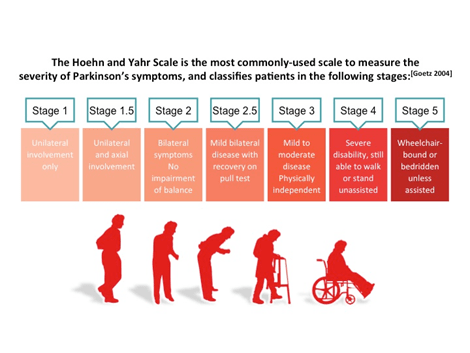
Parkinson disease is a disease related to the nervous system and nerve damage. It drastically affects the patient and progressively worsens over time. The progression takes place in 5 stages, which go from low risk symptoms to more drastic ones.  It affects over 100,000 people worldwide each year. At present, approximately more than 10 million people suffer from this disease. However, it is noticed that men have a higher chance of developing the disease, a reason not clear as yet. Other factors like genetics, environmental cues (like exposure to toxins), age, etc can also play a role in the development of PD.

What happens in Parkinson’s disease

  1. Parkinsons affects the central nervous system and the brain.
  2. It mainly affects a region in  the brain, in the basal ganglia, which is known as substantia nigra.
  3. Substantia nigra consists of some cells which produce the chemical hormone and neurotransmitter, dopamine – the feel good hormone.
  4. Dopamine is an extremely important catecholamine in the brain which is responsible for various cues, functions, carrying chemical messages and also contributes to the pleasure pathway i.e how we feel positive emotions like joy, satisfaction and pleasure.
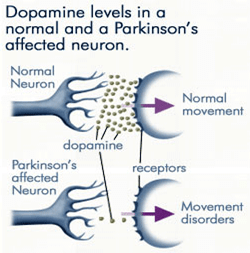
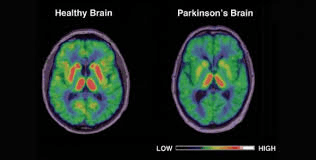
  5. In Parkinson disease, the levels of dopamine in a individual drop due to the death of cells which produce dopamine and are present in substantia nigra.
  6. When these dopamine levels decrease, it causes abnormal activity of the brain, which in turn leads to severe symptoms like impaired movement, depression, sleeping problems, etc.

Symptoms of Parkinson’s disease

The signs and symptoms generally differ from patient to patient. Early signs are almost always undetectable, and the disease is diagnosed most commonly in the later stages. Sometimes, symptoms can be present only on one side of the body (left or right), remain severe on this side and eventually spread to the rest of the body. Parkinson’s disease symptoms include:

  • Tremors: Patients often feel tremors in their limbs such as hands, fingers and legs. Can later also occur in jaws and tongue. It becomes progressively worse and can also cause problems in daily life activities such as eating, bathing, wearing clothes etc.
  • Impaired balance and posture: Posture becomes topped, and patients find it hard to keep balance. External help and support is required in the later stages.
  • Depression and bad dreams: Owing to the decreased levels of dopamine in the brain, and other attributes such as loss of physical control over body, slow movement and psychological effects can lead to depression and other personality disorders. This is accompanied with anxiety, fear and loss of motivation.
  • Changes in talking and speech: In some cases, the speech of the patient can become highly affected. It becomes slurry, soft, sometimes quiet, other times slow, and is expressionless and monotonous.
  • Bradykinesia (slowed movement) : Simple tasks like walking, sitting, eating become time consuming and movement becomes slowed. Steps might get shorter. External help and assistance is needed.

Treatment and prevention

Unfortunately, as of today, there is no complete solution or cure for the complete recovery from Parkinson’s disease Intense research work is being done in labs across the globe to find a solution for the same. Symptoms and side effects can be used by the intake of prescription drugs (like anti depressants), dopaminergics, muscular antagnostics, etc. Physical exercise can also help keep the body moving and fit. Life expectancy can increase with proper care and attention towards the patient.

TRANSGENIC ANIMALS AND DISEASE RESISTANCE

BY: Reddy Sailaja M (MSIWM030)

TRANSGENIC ANIMALS

‘Transgenesis’ is a molecular method of introducing a foreign gene (of interest) into the genome of an organism to express the desired trait or characteristic and further pass the trait to the progeny successfully. The gene that is being introduced is called a ‘transgene’.

A transgenic animal or genetically modified animal is the one that is being introduced with a desired foreign gene into its genetic material through recombinant DNA technology, a molecular biology technique.

Transgenesis has been widely applied in most of the domestic animals, aquaculture and agriculture that aids in human welfare and development.

Ralph Brinster and Richard Palmiter were the pioneers in creating first transgenic animal – “Super mouse” in 1982 by introducing human growth hormone in the mouse genome. The offspring produced were larger in size than the parent.

Figure 1: Transgenic super mouse (right) produced by recombinant DNA technology

Pig, goat, sheep, fish, cattle and insects like Drosophila melanogaster (fruit fly) are the most common transgenic animals that are being used in basic and applied research for human welfare.

PRODUCTION OF TRANSGENIC ANIMALS

Two methods are principally followed to generate transgenic animals

  1. Embryonic stem cell method
  2. Pronucleus method by microinjection
  1. Embryonic stem cell method for Transgenesis:
  2. Inner cell mass of mammalian blastocysts contain embryonic stem cells (ESCs). ESCs have the ability to produce all kinds of organisms’ cells, including gametes.
  3. Desired gene is selected from the donor organism.
  4. Vector DNA is chosen that carries the desired DNA to the host cell.
  5. Vector contains promoter and other regulatory sequences that are crucial for transgene transfer, selection and expression in the host organism.
  6. ESCs were cultured along with the vector containing desired DNA
  7. Successfully transformed cells will be selected based on the selection methods like antibiotic resistance.
  8. The transformed cells are injected into inner cell mass of embryonic blastocysts of the mouse for further propagation.
  9. A pseudo pregnant mouse (stimulus of mating results in making mouse uterus receptive for the blastocysts due to hormonal changes) was prepared and the transformed blastocyst stage embryo was introduced into the uterus.
  10. Blastocyst would implant successfully and the mouse gives birth to pups. 10-20% pups will be having the transgene and is heterozygous in nature (only one copy of the gene was transformed and the other was wild).
  11. Heterozygous mice are allowed to mate to get homozygous offspring (1 in 4, Mendelian ratio) was selected and propagated further to generate transgenic trait.

Figure 2: Embryonic stem cell method for transgenic animal generation

  • Microinjection method:
  • Manipulation of the pronucleus is the most common method to create a transgenic animal and is first described by Gordon et al.
  • Superovulating female is induced with specific hormones and the eggs are harvested.
  • The male and female pronuclei are visible under microscope several hours after the sperm is allowed to enter into the oocyte. As male pronucleus is larger in size, the transgene is microinjected easily into it.
  • Pronucleus stage is advantageous as it allows early incorporation of the transgene into the host DNA and the entire host cells could express it.
  • Once the transgene is introduced, male and female pronuclei are allowed to fuse to form a fertilized egg.
  • Once the blastocyst stage is reached, it was implanted into the pseudo pregnant mother and the progeny was checked for the transgene expression as in the ESCs method. 

Figure 3: Generation of transgenic animal by microinjection method

Other techniques followed to generate transgenic animals are listed in table 1.

TRANSGENIC TECHNIQUESINTERPRETATION
Cre-lox techniqueIdeal technique with more control over resulting phenotype; time-consuming
Viral vectorsdifficult; largely restricted to avian species
Cytoplasmic injectionLess efficient than direct pronuclear microinjection
Primordial germ cellsChimeric animals result
Nuclear transferLarge potential for genetically modifying livestock
Spermatogonial manipulationTransplantation into recipient testes

Table 1: Other techniques used to generate transgenic animals

APPLICATION OF TRANSGENESIS

  1. Disease resistant transgenic animals:

Selection and cross breeding of animals is a natural way of producing superior quality livestock animals with respect to disease resistance, more milk production, larger size etc. However, maintaining these qualities to be passed to the generations is unpredictable.

  1. Neurodegenerative disease resistant animals: Spongiform encephalopathy (Scrapie disease) in sheep, bovine spongiform encephalopathy (BSE) (Mad cow disease) in cattle, Creutzfeldt Jacob disease in humans are some of the major neurodegenerative diseases. These diseases occur because of the expression and misfolding of “prion” protein. ‘Gene knock out’ of ‘prion protein through rDNA technology helps in generating prion protein free livestock and resistant to neurodegenerative disorders. RNA interference (RNAi) is the new rDNA technique that helps in knocking down of the desired gene by forming a double stranded DNA construct and suppressing its expression.

RNAi method has extensive applicability, one of which is to generate knock down transgenic animals that can survive RNA based viral infections like foot and mouth disease, classic swine fever and the most resent SARS-CoV-2 disease.

Figure 4: Prion free sheep (Denning et al 2001)

  • Bacterial disease resistant cattle: Mastitis is a bacterial infection of the mammary gland in the cows that affects quality and quantity of the milk being produced. Scientists have developed transgenic cattle that express lysostaphin protein, which kills mastitis causing bacteria by cleaving their cell wall.

Similarly, lysozyme producing transgenic goats are also generated that prevents mastitis causing bacterial lysis and healthier mammary glands.

  • Disease resistance in fishes: Catfish often prone to microbial infection and death. Cecropin B is a small protein expressed in Hyalophora cecropia moth that has anti-microbial protperties. Scientists have generated Cecropin gene expressing transgenic catfish that confers resistance against microbial infections.
  • Disease resistant cattle against Brucellosis: Brucellosis is a deadly zoonotic disease, that can spread across animals without limit and even to humans. A large number of animals in American Bison area have been affected badly and the grazing cattle used to acquire the infection that lead to abortions, low fertility rates, reduced milk production etc. In humans, the disease is called undulant fever and its effects are severe. Recently, it was discovered that bovineNRAMP1 gene is efficient in providing resistance to brucellosis. Transgenic cattle with this gene offer protection against the disease.

Mastitis resistant transgenic cow (Agricultural research service, US)

Identification and integration of genes through transgenesis is the need of the hour that provides disease resistance and improved immune response in livestock and poultry. Scientists are focusing on genetic engineering based disease resistant animal models that would help livestock show resistance to diseases as shown in the table 2.

Table 2: Diverse applications of disease-resistant genetically engineered animals.

  • Medical applications:
  • Disease models: Understanding the disease and its effects are crucial for effective drug development and vaccine creation. Transgenic method is widely applied to generate disease models to understand causes and effects of human diseases. For example, mouse with various cancers or cystic fibrosis were produced through rDNA technology. These models give insights into the disease and further effective drug development and treatment.
  • Understanding gene functions: Mouse/rat genetic composition is closely related to humans. Hence, mice or rat models are chosen to produce genetically modified organism with alteration of gene like, gene knock-out (removal of a particular gene) or gene knock-in (insertion of a gene) or damaging the gene.

This category of transgenic models helps to understand the crucial functions of the gene and its role in human development and disease. This method is widely used to produce transgenic animals with superior quality. For example, transgenic cow – with disease resistance and improved milk production.

  • Production of therapeutic proteins and antibodies: Animals like horse, goat and cows were genetically modified to develop and secrete useful chemical substances like antibodies, and therapeutic proteins that help treat the human diseases efficiently. For example, transgenic cow that secretes egg proteins into its milk. These transgenic animals with therapeutic reagents production are also called ‘walking pharmacies’.
  •  Production of xenotransplants: Scientists have developed transgenic farm animals by ‘knocking out’ the gene that is responsible for eliciting immune response and rejection of an organ when introduced into the human body. For example, knock out transgenic pig organs can be now used for organ transplantation in humans. This method solves the issue of organ donor shortage and saves many critical lives.
  • Transgenic fishes: Transgenic fishes are produced by introducing genes responsible for disease resistant/temperature tolerant/ better growth etc. For example, a company called Aqua Bounty Farms has requested United States Food and Drug Administration (USFDA) to approve its genetically modified salmon that has the ability to grow three times bigger size than normal within a year of its growth.

DISADVANTAGES OF TRANSGENIC ANIMALS

  • Genetically modified animals (like disease laboratory study models) will show negative impact on ecosystem if they escape and released into the environment.
  • May act as human disease reservoirs for critical pathogens like virus, prions etc.
  • May cause severe allergies in humans as it is not a natural product.
  • Genetically modified animals may show alterations in its behavior if the foreign gene undergoes any changes like mutations, leading to any unexpected harm to the mankind.

Even though, the chance of adverse effects is minimal, one can’t rule out completely.

ETHICAL CONCERNS OF TRANSGENIC ANIMALS

It is considered as unethical to produce transgenic animals because it is kind of violating animal rights and disrespect to animals.

Unless there is a balance maintained between need and the production of transgenic animals and effective application in human welfare like medical purpose, agriculture and scientific understanding and application.

CONCLUSION

From its origin, transgenic method has been creating revolutionary output for human well being by producing therapeutic proteins, superior quality breeds of animals and plants and xenografts. A transgenic animal has full potential to play a significant role in biomedical field. However, it is important to maintain ethical standards in effective usage of transgenic method for human welfare. As there is an equal chance of enormous harm that may cause to humans and the environment with the misuse of the technique.

BIOAEROSOLS

BY: K. Sai Manogna (MSIWM014)

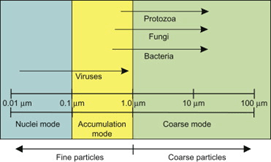
Bioaerosols are airborne particles created by biological materials and generate a great deal of energy to distinguish the small particles from the larger particles. Based on their sizes, bioaerosols are graded and often range in diameter from 0.02-100µm. The name of these bioaerosols is given to microorganisms distributed in the atmosphere by the transport and deposition process followed by the launch process.

Launching: 

Launching is the process in which the particles filled by microbes are suspended in the earth’s atmosphere. It is achieved predominantly by aquatic and terrestrial sources. For example, the sneeze exposes the atmosphere to bioaerosols. 

Three considerations are included in this process: 

(a) Air turbulence caused by the human, animal, and machine movement; 

(b) The production, storage, processing, and disposal of waste materials; 

(c) natural mechanical processes, such as the movement of water and wind on solid or liquid surfaces that are contaminated; and 

(d) As a result of regular fungal life cycles, the production of fungal spores. Any other examples may be a passing aircraft releasing a biological warfare agent or a passenger jet releasing unburnt carbon particles’ source as an instantaneous linear source. 

Conveyance of bioaerosols: 

Transport or dispersion is the mechanism by which a viable particle travels at wind speed from one point to another or when it is released by force into the air. The airborne particle’s force depends on its kinetic energy derived from the force at which it is launched into the atmosphere and the speed of the wind. Bio-aerosol transport can be described in terms of time and distance. Inside buildings or other enclosed spaces, this method of transport is standard. 

Deposition of Bio Aerosols: 

The deposition is the last pathway involving the distribution of bioaerosols in the atmosphere. It is then split into the other three forms. 

1. Settling Gravity 

2. Effect on the Surface 

3. Deposition of Rain 

Settling Gravity: 

The action of gravity on particles is the primary mechanism associated with deposition. Strength works more intensely on the particles than air, dragging them down. Larger particles would have higher speeds and settle more rapidly down the aero microbiology pathways However it should be noted that gravitational deposition may be negligible for particles of microbiological interest exposed to winds above 8103 m/hr. 

Impacting the surface: 

It is the mechanism in which the particles of bioaerosols have contact with surfaces such as leaves, trees, walls, with the effect of kinetic energy loss. The potential for impact allows a particle to collide with the surface and encourages its binding to it. However, after a collision, depending on the nature of a particle’s surface, it will bounce. 

Bouncing off a surface allows the particle at a lower rate to re-enter the air current, which can have one of two effects: 

1. It allows for subsequent molecular downward diffusion and gravitational settling, resulting in deposition on or on another nearby surface. 

2. It will cause the particle to escape from the surface and re-enter the air current once more. 

Deposition of Rain: 

The deposition also impacts rainfall and electrostatic charges. It occurs as the condensation reaction between two particles, which combine and produce a massive mass bioaerosol, making it settle faster. The overall efficiency of the deposition of rain also depends on the particle plume’s distribution area. Massive, more diffuse plumes have a substantial impact than smaller, more diffuse plumes. The rainfall rate also influences rain deposition. On the other hand, electrostatic deposition still operates the same way, condenses bioaerosols, but is based on electrovalent particles’ attraction. Both particles appear to have an associated charge of some kind. Usually, microorganisms have an overall negative charge at neutral pH associated with their surfaces. Such negatively charged particles may interact with other airborne particles of positively charged, leading to electrostatic condensation.

Mechanisms for Laboratory Regulation of Bioaerosols: 

Two such indoor conditions are hospitals and microbiology laboratories that fall under intramural aero microbiology, with probably the highest potential for pathogenic microbe aerosolization. The centers for the care of immense numbers of patients with a range of diseases are hospitals. It accounts for a high percentage of individuals being the active carriers of several contagious airborne pathogens or microorganisms, including workers and patient visitors. In this respect, microbiological laboratories are just as important as they also serve as a breeding ground for pathogenic species. 

Physical Bioaerosol Removal through filtration: 

Technologies that tackle the bioaerosol threat fall into two categories: 

(1) capture or physical elimination from the air stream of bioaerosols, and 

(2) inactivation on-line or airborne. 

Technologies that make up the former group have typically not been established explicitly for bioaerosols but aerosols’ general regulation. In the latter case, to make airborne microbes non-infectious and exclusively target bioaerosols, technologies apply external stress such as heat or ultraviolet light. Since bioaerosols are physically identical to non-biological particles of the same aerodynamic size and composition, it is possible to apply standard aerosol control devices (air filters, electrostatic precipitators. that physically extract particles from the airstream for bioaerosol control. Filtration is the most successful method for particle removal, both viable and nonviable. For example, high-performance particulate air (HEPA) filters have a 99.97 percent removal efficiency of 0.3-μm sized particles by definition. 

Mechanically, filters extract particles by integrating four simple filtration components. 

Mechanisms: inertial effect, gravitational settling, interception, and diffusion. Impact occurs with larger aerosols that do not adjust to changes in a flow streamline induced by a collector (fiber, granule.) due to their inertia. Gravity, especially when the flow velocity is insufficient, may also cause larger particles to contact a collector. For particles in the submicrometric scale, the two dominant mechanical collection mechanisms are diffusion and interception. As they deviate from a flow streamline by Brownian motion, aerosols are collected by diffusion and eventually deposited on a collector. Aerosols follow a streamline during interception and contact a collector when the streamline distance from the collector is equal to the particle’s radius. 

Disinfection by Air Filter: 

Due to the risks associated with bioaerosols sustained viability, many technologies for disinfecting filter media have been developed. These include photocatalytic oxidation (PCO), UV illumination, and other technologies, as well as anti-microbial filters. A brief overview of several unique technologies for filter disinfection are described below:  

UV light: Irradiation with UV light of bioaerosols (without the presence of UV light, photocatalyst) may cause inactivation. This procedure, known as ultraviolet germicidal irradiation (UVGI), creates thymine dimmers in DNA and inhibits replicating the targeted microbe. 

Anti-microbial filters: Bioaerosols have also been tested against air filters, which have been treated with biocidal chemicals such as iodine. For iodine treated filters, inactivation is hypothesized through the penetration of iodine molecules through the cell wall of microbe and subsequent damage to the capsid protein. In addition to killing microbes obtained from the filter, it is speculated that microbes passing through the filter can be inactivated by iodine species, leading to a decrease in viable bioaerosols’ penetration. A benefit of anti-microbial filters is that additional equipment (e.g., UV light) is not required and can therefore be readily integrated into respirators. 

Technologies for Airborne-Inactivation: 

Besides the physical elimination by filtration of bioaerosols from an airstream, air 

With airborne-inactivation technologies, it can be disinfected. Technologies may be mounted in an on-line system, e.g., ventilation and cooling of heating systems) 

System) to process air that is polluted. Descriptions of several airborne-inactivation technologies are given below: 

UVGI: UVGI lamps may be placed before or after an air filter by direct irradiation of the suspended microbes to minimize the amount of penetrating infectious bioaerosols. The implementation of UVGI is relatively complicated because several factors must be taken into account in the engineering design: airflow patterns, residence time (dose) of the microbe, relative humidity, different resistance of bioaerosols to UV light, ray-tracing optics, power consumption, lamp dust, shielding effect of the material surrounding the bioaerosol, and ozone production from UV lamps. 

Microwave irradiation: By direct irradiation, bioaerosols may be inactivated. Microwave radiation at a frequency of 2.45-GHz decreases the concentration of laboratory-generated and atmospheric bioaerosols. Electron microscopy of irradiated cells revealed that cell death could be responsible for structural damage. 

Cold plasma: Inactivation of plasma has been used in surface disinfection and disinfection. 

Sterilization, however, on-line bioaerosol inactivation has recently been implemented. 

Dielectric barrier discharge (DBD) – a non-thermal technique that uses electrical discharge between electrodes separated by a dielectric material – can generate plasma for disinfection purposes. DNA and cell membrane damage likely cause microbe death. 

Toxic vapours: It has been shown that chemicals such as chlorine dioxide (ClO2) reduce the concentration of culturable airborne bacteria and fungi effectively and thus decontaminate buildings. ClO2 is an oxidizing agent suspected of causing microbes’ death through membrane damage or protein synthesis destruction. Unlike the systems discussed above, due to the vapor’s toxicity, harmful vapours cannot be incorporated in an on-line environment and cannot be used with human occupants. 

Ultra-high temperature (UHT) treatment: UHT methods have historically been used to sterilize or disinfect liquids (e.g., milk) in order to destroy resistant bacterial spores (applying temperatures of > 125 °C for several seconds). However, recent studies have shown their effectiveness against bioaerosols. Airflow was heated to temperatures greater than 1,000 °C for less than a second for inactivation in UHT bioaerosol tests. 

LOOP MEDIATED ISOTHERMAL AMPLIFICATION

BY: Reddy Sailaja M (MSIWM030)

INTRODUCTION

Infectious diseases affect living forms on earth that include but not limited to plants, animals including human beings. Pathogenic micro organisms i.e., bacteria, virus, parasites etc attack, hinder the growth and development of an organisms and sometimes lead to death.

Infectious diseases that turn out to be pandemic have had bad effect on human beings in the history like bubonic plague, influenza, Spanish flu, avian flu and the most recent on COVID-19 (SARD-CoV-2). When the diseases spread rapidly and cross the country’s border, it is called as a pandemic.

Rapid diagnosis and treatment are the only mode of spreading the disease and to save lives. Standard traditional methods of microbial detection include – microbial culture (aerobic and anaerobic), Gram staining, colony morphology and other biochemical analysis. However, these traditional microbial methods take 5-7 days to give result, by then patients would be severely affected and sometimes might die.

Henceforth, rapid diagnosis with in a day or in hours of time is critical for effective treatment and patient management. Recently, Nucleic acid amplification technique (NAAT), a major molecular biology application has gained interest in the diagnostic field for its rapid and sensitive pathogen detection in short time. Polymerase chain reaction (PCR), a NAAT method gave hope for the early infection detection as it is fast and sensitive method in pathogen detection. PCR uses thermoresistant DNA polymerase enzyme (Taq polymerase), sequence specific primers and under specific cyclic conditions amplify the pathogenic DNA isolated from the sample to billions of copies in few hours. Due to sensitivity and speed, PCR became the choice of pathogen detection in medical microbiology field.

However, PCR has certain draw backs as follows:

  • Need of a thermocycler (high cost)
  • Need of carcinogenic material like Ethidium bromide for DNA band visualization
  • Need of a trained technician
  • Sophisticated molecular biology lab setup with at least three isolated rooms
  • Can’t be setup at point of care centres like rural areas

Loop-mediated Isothermal amplification (LAMP) is a revolutionary NAAT method, discovered by Notomi et al in 2000. It has the potential to rapidly detect the pathogenic DNA more sensitively and specifically in comparison with PCR at a constant temperature (isothermal). LAMP method is based on the auto cycling of the DNA using strand displacement reaction and utilizes DNA polymerase like Bst, Bsm, Gsp etc

Due to its high sensitivity, speed and efficiency, it has varied applications in medical microbiology field.

CHARACTERISTICSLAMPPCR
Type of reactionIsothermalCyclic
Reaction time30-60 minutes2-4 hours
TemperatureIsothermal Temperature (60-65⁰C range).Variable Temperature. Denaturation (95⁰C); Annealing (50-60⁰C); Extension (72⁰C)
Need of thermocyclerNo. simple dry bath is enoughYes
SensitivityLimit of detection is higher.Limit of detection is lower.
SpecificityHigh as it uses 4-6 primersLower than LAMP
Sample kindDetection is good even with crude samplesPure DNA is required
Primers characteristics4-6 primers. Loop primers increase reaction speed2 primers
Mode of detectionFluorescence detection in real time. Visual detection with naked yes, gel electrophoresis or turbidity.  Fluorescence detection in real time. Visual detection is only through gel electrophoresis

Table 1: Differences between LAMP and PCR techniques

LAMP PRIMERS

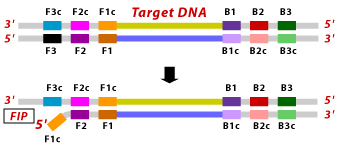
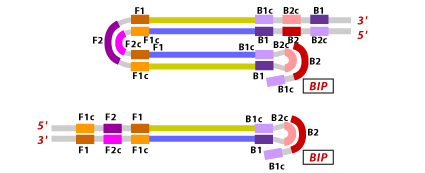
LAMP makes use of 4 primers that are designed specifically to recognise 6 different regions on the target gene.

  1. Forward inner primer (FIP) – FIP comprises of two primers namely, F2 region at the 3’ end and F1C region at 5’ end (F1C of the primer is similar to F1C portion of the target DNA).
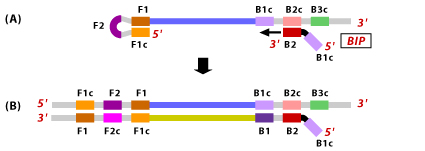
  2. Backward inner primer (BIP) – BIP comprises of two primers namely, B2 region at the 3’ end and B1C region at 5’ end (B1C of the primer is similar to B1C portion of the target DNA).
  3. Forward outer primer (F3) – F3 is the outer primers and is short in its length. F3 is complementary to F3C region of the target DNA.
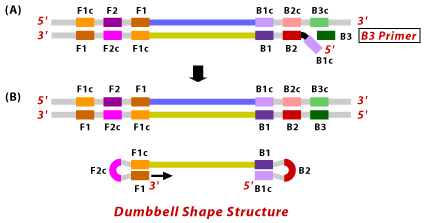
  4. Backward outer primer (B3) – B3 is one of the outer primers and is complementary to B3C region on target DNA.
  5. Loop primers – Loop forward and loop backward (LF and LB) are the two additional primers utilized in the LAMP reaction to increase the speed.

Figure 1: LAMP primers

STAGES IN THE LAMP REACTION

1. F2 portion of FIP primer binds to F2C region on the target DNA and initiates new strand synthesis and amplification.

2 F3 outer primer then binds to the F3c region on the target DNA and extends the strand by displacing the FIP associated complementary strand. This displaced strand forms a loop lie structure at the 5′ end.

3. Th synthesized ssDNA with a loop at the 5′ end assists as a template for BIP. B2 binds to B2c region on the target DNA and synthesizes new complementary strand by opening of the 5′ end loop.

4. Now, the B3 primer binds to B3c region on the target DNA and extends by displacing the BIP connected complementary strand. This results in dumbbell shaped DNA formation.

5. Then the F1 primer gets extended by opening up the loop at the 5′ end with the help of Bst DNA polymerase. At this stage, dumbbell shaped DNA become a stem loop structure and initiates the LAMP reaction. This stage is called the LAMP reaction’s second stage.

6. Further in LAMP cycling, the FIP binds to the loop region of the stem-loop DNA and initiates strand synthesis by displacing F1 primer and formation of a new loop at the 3′ end.

7. Extension happens at the 3′ end of B1 by displacing the FIP strand, forming a dumbbell shaped DNA. Self-primed DNA synthesis by strand displacement gives out one complementary strand of the original stem loop DNA along with one more stem loop DNA with a gap repair.

8. Both the new stem loop DNAs act as template for a BIP primed strand displacement reaction in the succeeding cycles. Consequently, for every half LAMP cycle, 13 fold amplification of the target DNA occurs.

The ultimate amplification LAMP products contain combination of stem loop DNA with varied lengths looking like a cauliflower like structure with multiple loops.

LAMP REACTION SET UP

To setup LAMP assay, target DNA, an isothermal DNA polymerase with strand displacement activity, primers and buffer are sufficient. LAMP assay can be setup in a simple water bath or a heat block at a constant temperature (ideally at 65°C).

Figure 2: Over view of LAMP reaction

LAMP DETECTION

LAMP reaction can be detected as follows:

  1. Fluorescence based detection: using florescent dyes like SYBR green, Pico green, Eva green

Figure 3: LAMP detection using SYBR green fluorescent dye

  1. Visual detection: Based on turbidity and precipitation in the positively reacted tubes. Leuco crystal violet is a dye that detects positive reaction based on turbidity.

Figure 4: LAMP detection based on turbidometry

  1. Colorimetric dyes are also used as they react with the free Mg2+ being produced in the reaction. Colour change happens based on the pH change. For example, phenol red show pink colour before the reaction and turns yellow if the sample is positive for the pathogen (as the pathogenic DNA multiplies, more Mg2+ will be released into the reaction tube).

Figure 5: Colorimetric detection of LAMP reaction (Source: NEB)

ADVANTAGES OF LAMP TECHNIQUE

  • Require simple water bath or heat block (no costly thermocycler).
  • Amplification at isothermal conditions.
  • More specificity and sensitivity as it utilizes 4-6 primers.
  • Cost effective
  • Easy deployment at point of care centres at rural areas.
  • No trained technician is required. Setup is quite simple.

APPLICATIONS OF LAMP TECHNIQUE

  • Rapid diagnosis of bacterial, viral, fungal and parasitic organisms.
  • Helps to detect pathogens at both genus level and species level. In case of viruses, various strains can be easily differentiated.